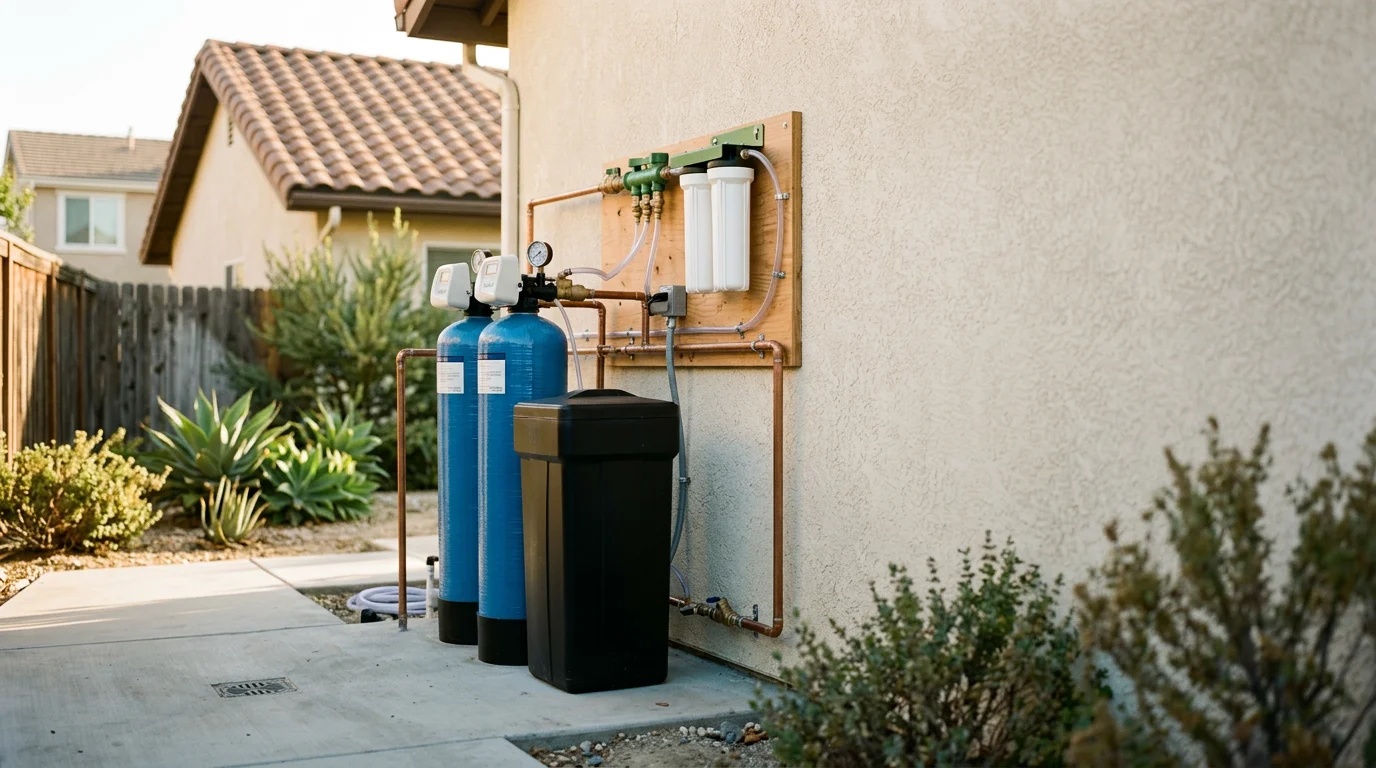
Water softening equipment supplier in Kern County, CA

Kern County sits atop ancient geological formations where groundwater has spent decades dissolving mineral-rich rock layers, producing some of the hardest and highest-TDS water in California. Bakersfield's water, sourced from the Kern River and Central Valley groundwater, measures around 25 GPG in hardness and total dissolved solids near 900 ppm — nearly double the recommended 500 ppm level. The Kern River picks up additional minerals as it flows through Sierra Nevada foothills, carrying dissolved gypsum and limestone into the municipal supply. Agricultural activity throughout the county adds nitrates and other compounds to groundwater, and the San Andreas Fault system running through Kern County creates mineral-rich rock formations that release arsenic into local aquifers over geological time.

Call (855) 955-7873
Service Location

Kern County, CA

CA County Service Area

No extra travel fees for this area

Communities we serve

Bakersfield Delano Ridgecrest Tehachapi Wasco Shafter McFarland Taft
  • State Licensed Contractor
  • Whole-House Water Experts
  • Residential and Commercial
  • Serving Southern California
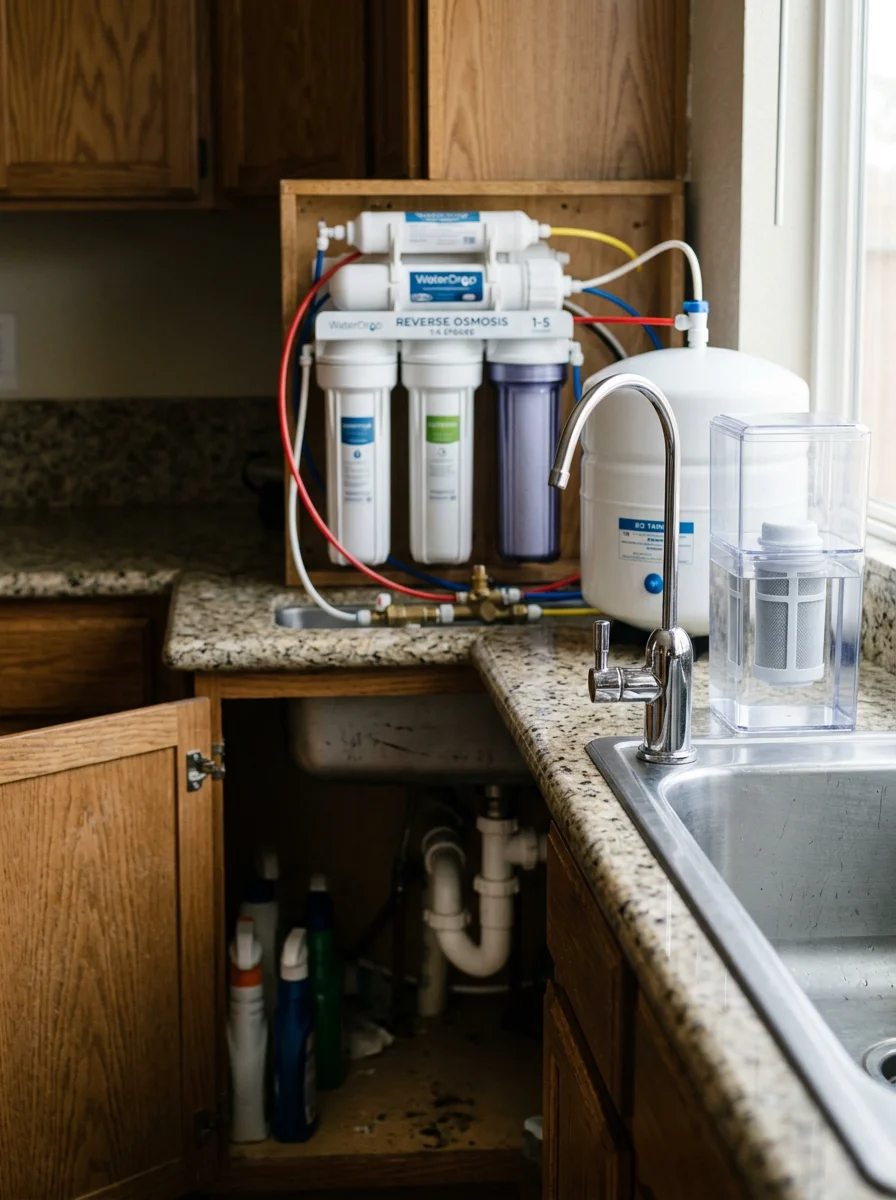
A reverse osmosis drinking water system installed under a kitchen sink in a Kern County home, with a dedicated filtered water faucet on the countertop.

Kern County, CA

Water Softening Equipment Supplier

Built for Kern County's Extreme Hardness and High-TDS Groundwater

Bakersfield's water hardness around 25 GPG places it in the extremely hard category by Water Quality Association standards. At that concentration, mineral scale deposits form inside water heater tanks, on heating elements, and along pipe walls at a rate that shortens appliance life well before the manufacturer's expected service window. A water softener sized for Kern County's actual hardness level — not a Southern California average — is the starting point for protecting a home's plumbing and appliances.

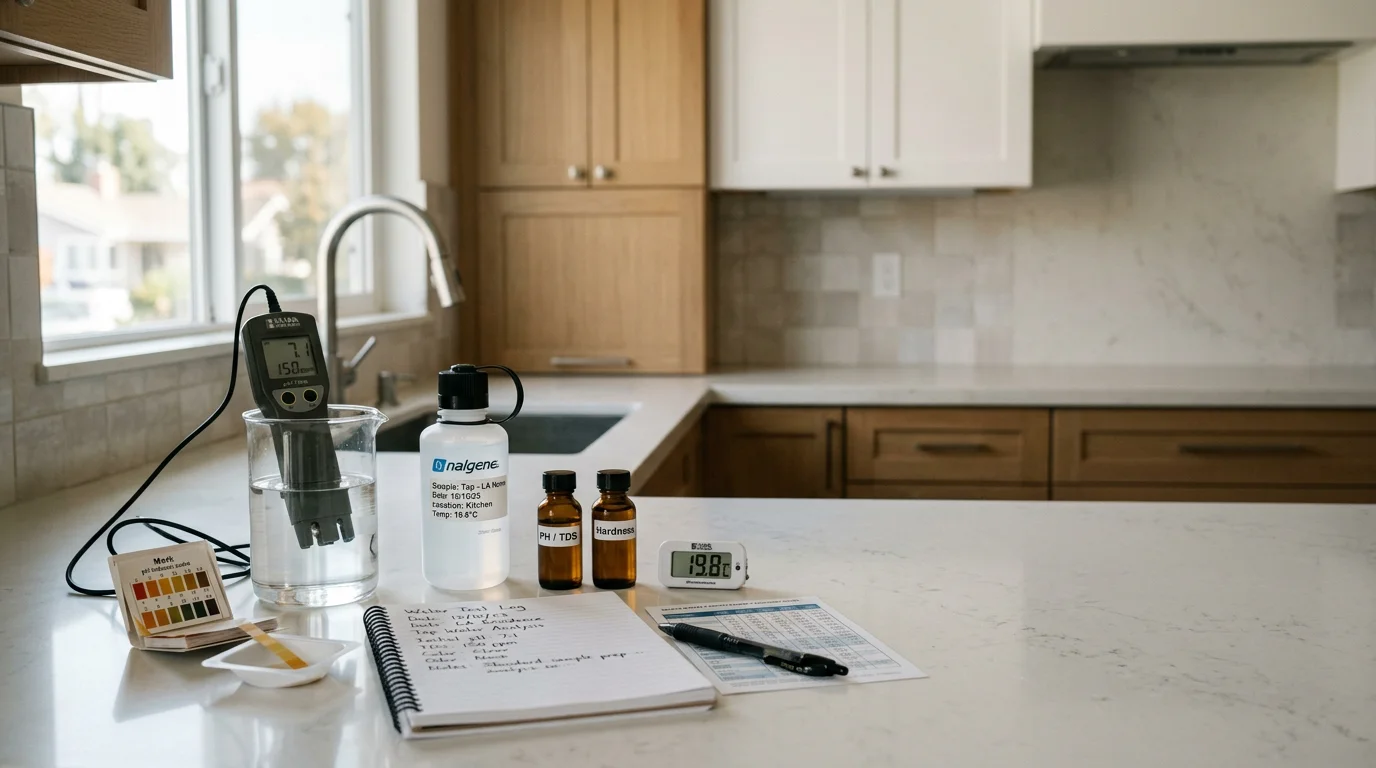
Kern County's total dissolved solids near 900 ppm reflect more than just hardness minerals. Arsenic occurs naturally in the county's groundwater aquifers, leaching from geological formations tied to the San Andreas Fault system. Nitrates from agricultural activity also appear in local wells. A reverse osmosis system at the kitchen sink removes arsenic, nitrates, and the elevated TDS that a water softener leaves behind, producing drinking water that is measurably cleaner than what comes straight from the tap.

Rural and agricultural properties throughout Kern County often rely on private wells that draw from aquifers with variable water quality. Iron concentrations in Kern County wells range from 0.1 to 0.8 mg/L depending on the neighborhood and seasonal groundwater table. Iron at those levels stains fixtures, discolors laundry, and compounds the scale problems that high hardness already creates. Well water treatment for Kern County properties typically requires iron filtration staged ahead of a softener to prevent the iron from fouling the softener resin.

At a glance

  • Serving Los Angeles, CA since 2022
  • Free written estimates with no obligation
  • Premium options most contractors don't carry — we explain the differences honestly
  • Responsive scheduling and clear communication from estimate to completion
Call (855) 955-7873

Every service, available in Kern County, CA

Water Softeners in Kern County must be sized for extreme hardness — Bakersfield alone measures around 25 GPG, which is classified as extremely hard and deposits scale at a rate that damages water heaters and appliances far faster than in most Southern California counties. Reverse Osmosis is a strong fit here because Kern County's total dissolved solids near 900 ppm and the presence of arsenic, nitrates, and iron in local groundwater require a filtration stage that goes beyond what a softener's ion exchange process can address. Well Water Treatment is also in demand across the county's rural and agricultural parcels, where private wells draw from aquifers that carry variable concentrations of arsenic, iron, and agricultural runoff compounds.

What Kern County, CA customers say.

Worked with us?

Leave a Review

Recent projects

See all projects
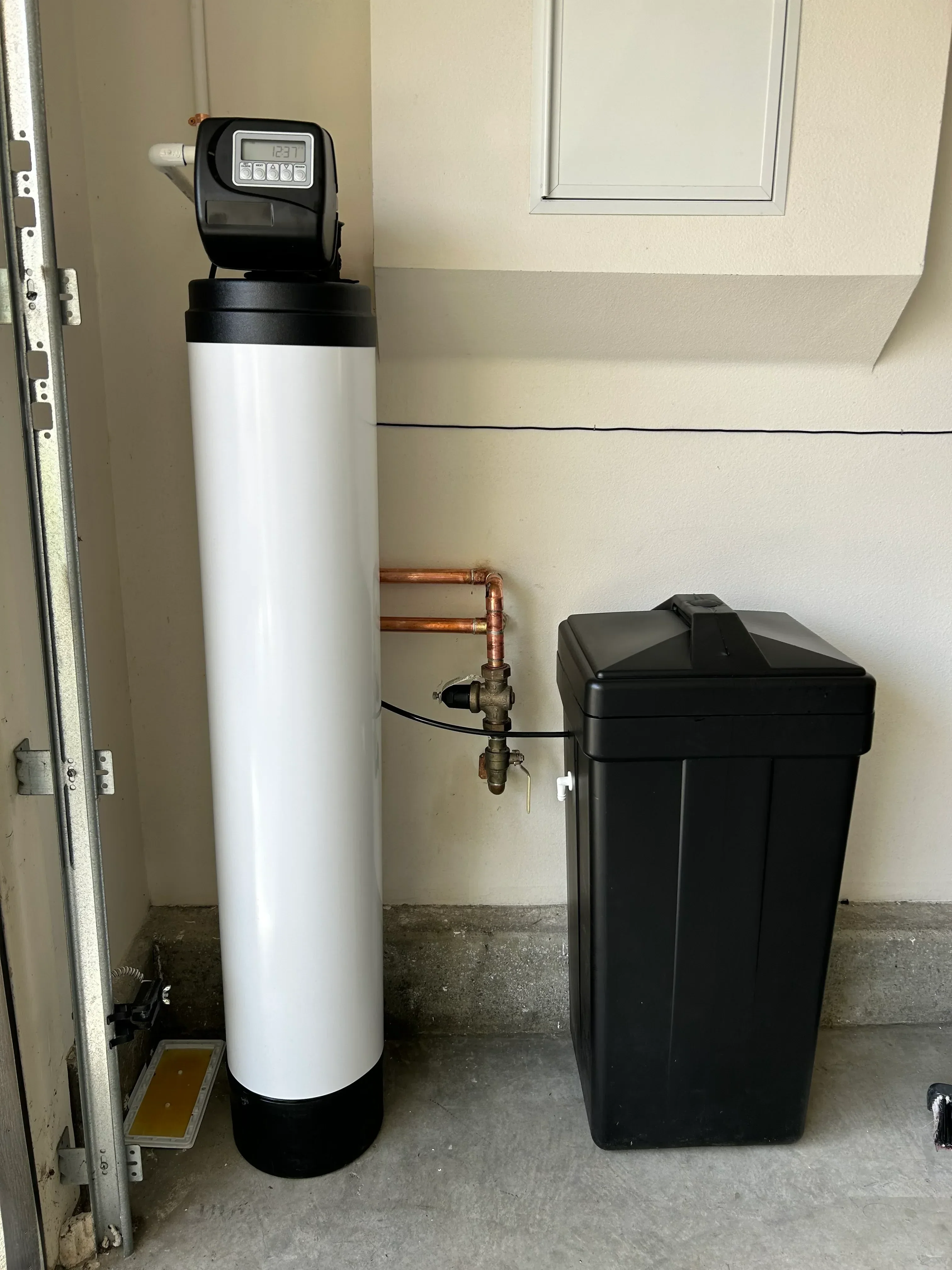
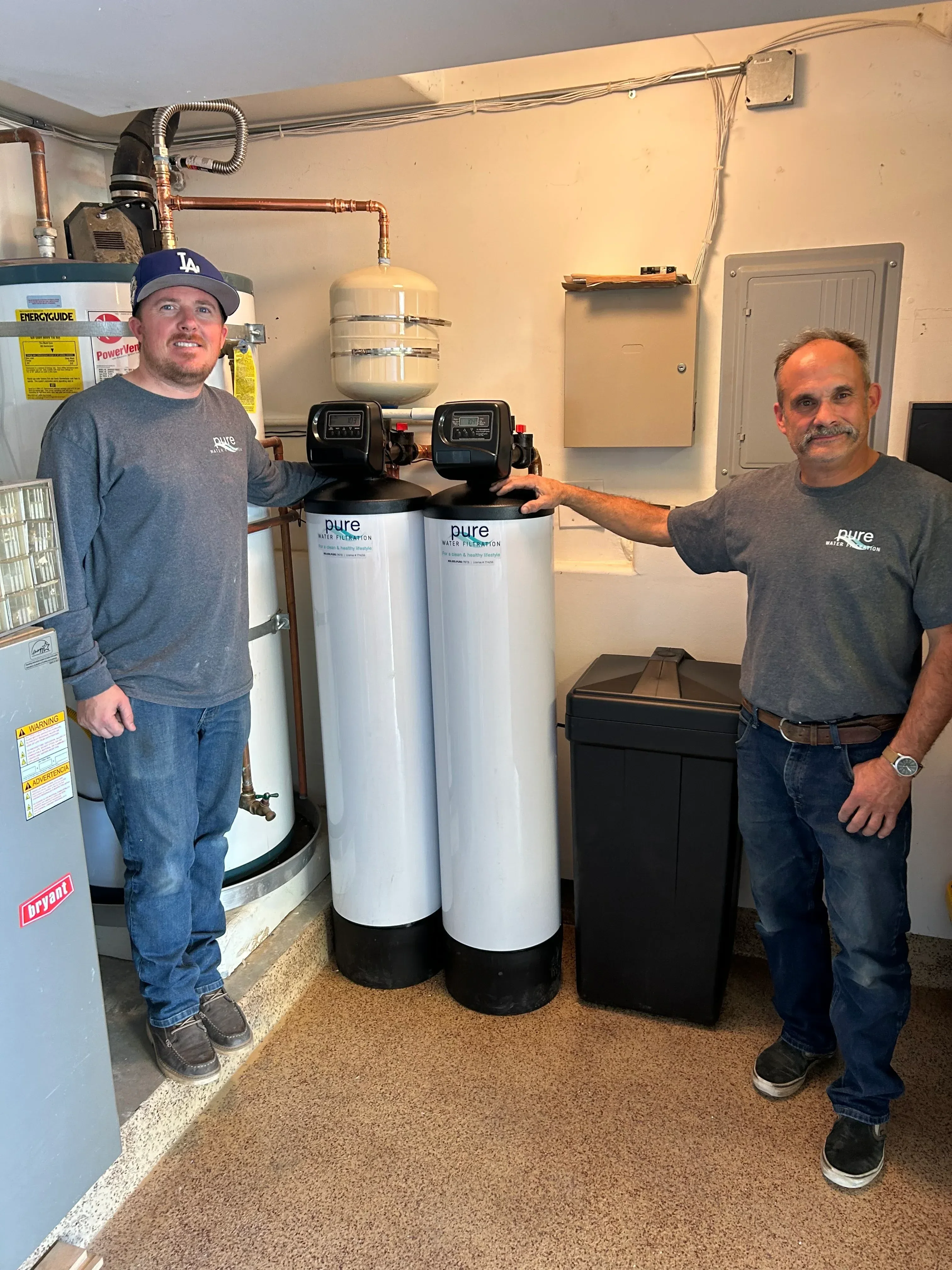
Water softener tank with digital control valve, brine tank, and copper supply line connections Water Treatment
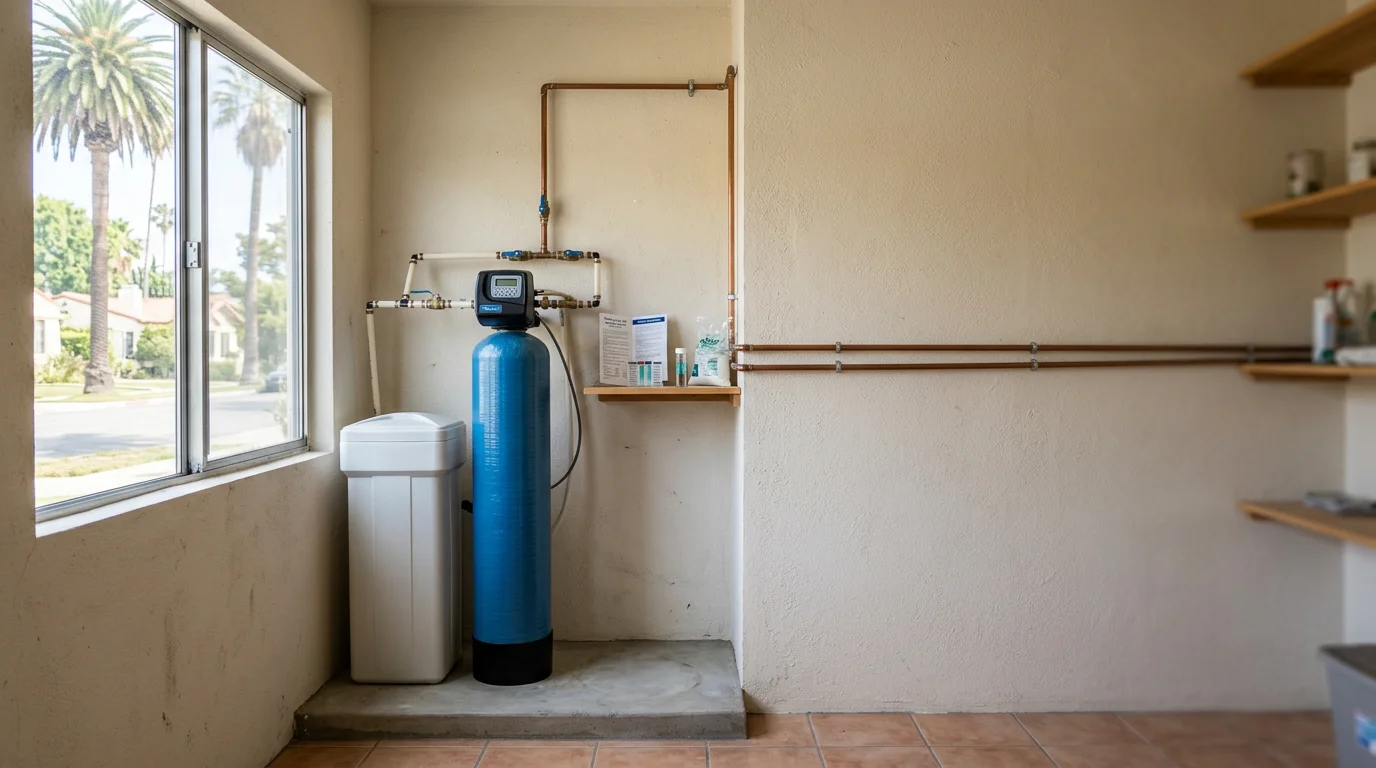
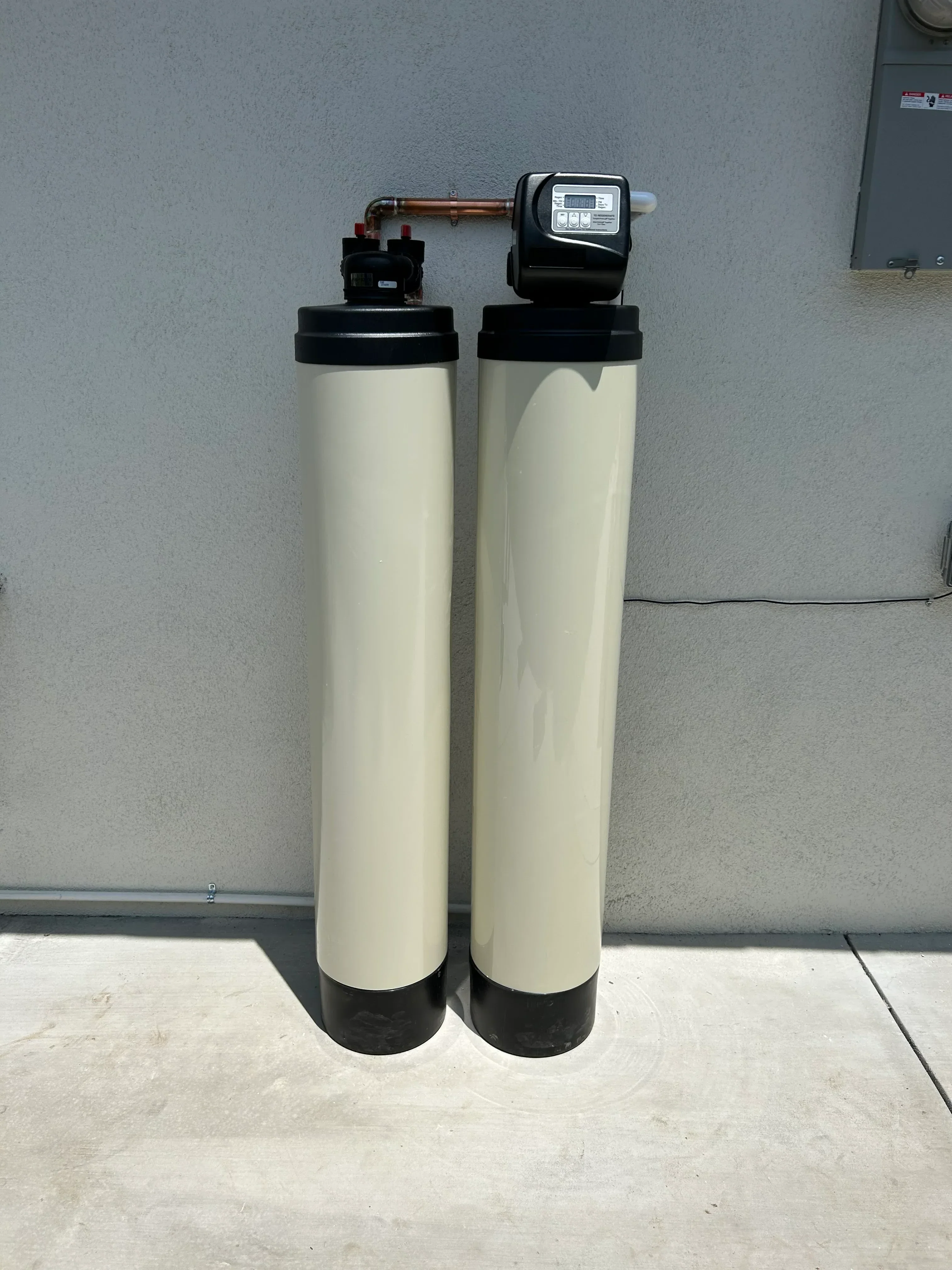
Dual tank water softener with cream resin vessels, digital control valve, and copper connections Water treatment supplier
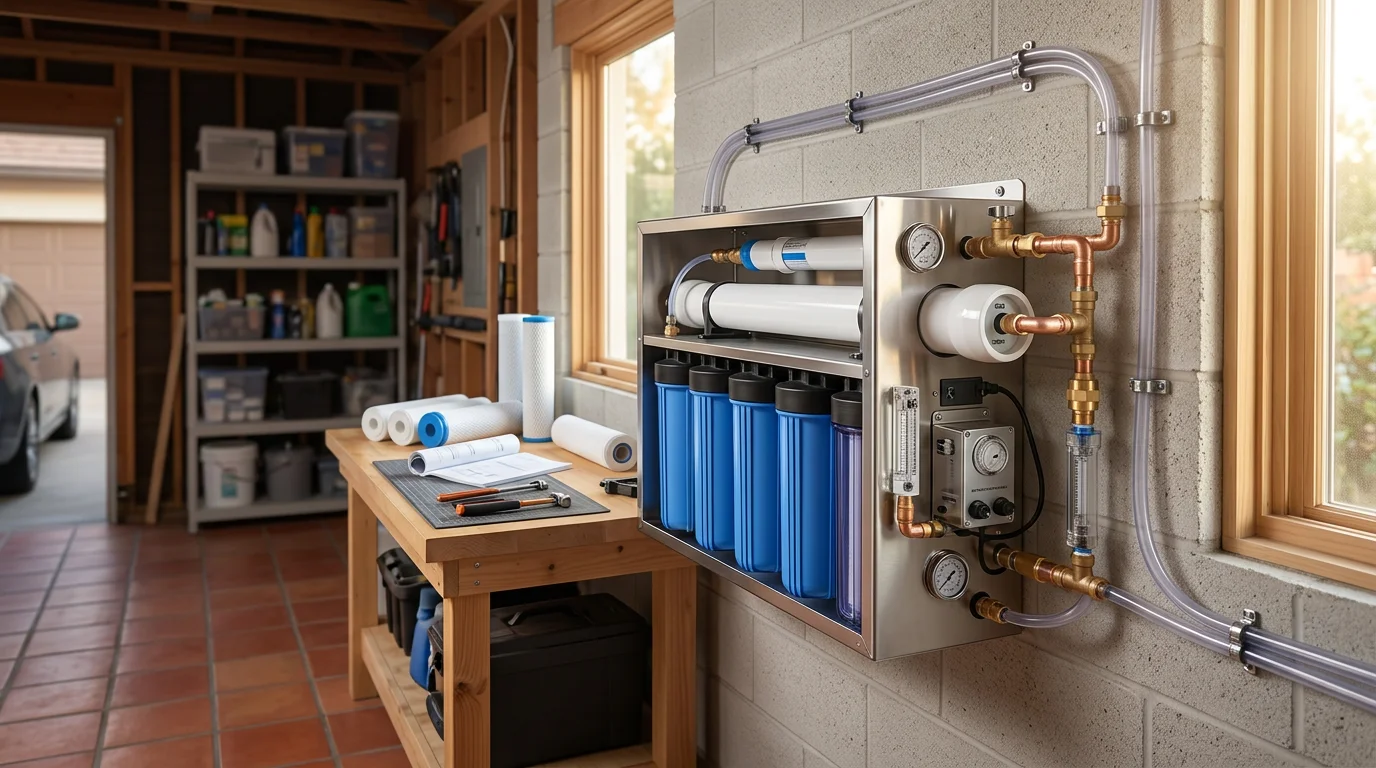
Dual carbon filter cartridges with digital controls and copper piping in utility installation Water Treatment

Serving Kern County, CA

Free on-site estimate. No commitment required.

Our crew knows Kern County, CA. We will show up on time, assess the job honestly, and give you a clear written number before asking you to decide anything.

Call (855) 955-7873

Water Softening Equipment Supplier FAQ for Kern County, CA

Common questions from Kern County, CA customers about our services, process, and coverage.

Bakersfield water measures around 25 GPG in hardness, placing it in the extremely hard category — a classification that begins at 14 GPG by Water Quality Association standards. Most Southern California cities range from 10 to 19 GPG. Bakersfield's combination of high hardness and total dissolved solids near 900 ppm makes it one of the more challenging water profiles in the state for residential water treatment.

Yes, arsenic occurs naturally in Kern County's groundwater aquifers, leaching from geological formations associated with the San Andreas Fault system that runs through the county. Bakersfield municipal water typically contains detectable arsenic levels, and private wells in the area can show higher concentrations depending on the local aquifer. A reverse osmosis system removes arsenic effectively at the point of use.

Bakersfield's hardness around 25 GPG causes mineral scale to deposit rapidly on water heater heating elements and inside the tank. This sediment forces the heater to work harder to warm the water, driving up energy use and shortening the unit's lifespan. A water softener installed at the point of entry stops scale from reaching the heater and other appliances throughout the home.

Rural Kern County wells commonly show elevated hardness, iron, arsenic, and nitrates from agricultural activity in the surrounding area. The right treatment system depends on what your specific well test shows. A typical setup for this region includes iron filtration staged ahead of a water softener, with a reverse osmosis system at the kitchen tap to address arsenic, nitrates, and high total dissolved solids.

Still have questions?

Call us directly. Real answers, no scripts.

Call (855) 955-7873

Proudly Based in Los Angeles, CA

Stop by, call, or book online — we're always nearby when you need us.

Hours

  • Monday 8:00 AM - 5:00 PM
  • Tuesday 8:00 AM - 5:00 PM
  • Wednesday 8:00 AM - 5:00 PM
  • Thursday 8:00 AM - 5:00 PM
  • Friday 8:00 AM - 5:00 PM
  • Saturday 10:00 AM - 3:00 PM
  • Sunday Closed

Schedule a Free Inspection