MBR water treatment in Orange County, CA pairs biological wastewater treatment with membrane filtration to produce effluent clean enough for irrigation, industrial reuse, or indirect drinking water recharge. Few regions in the country rely on membrane-based water technology as heavily as Orange County does. This guide breaks down how membrane bioreactors actually work, which local facilities use the real thing versus standalone membrane filtration, and what the technology costs to install and maintain.
What Is MBR Water Treatment?
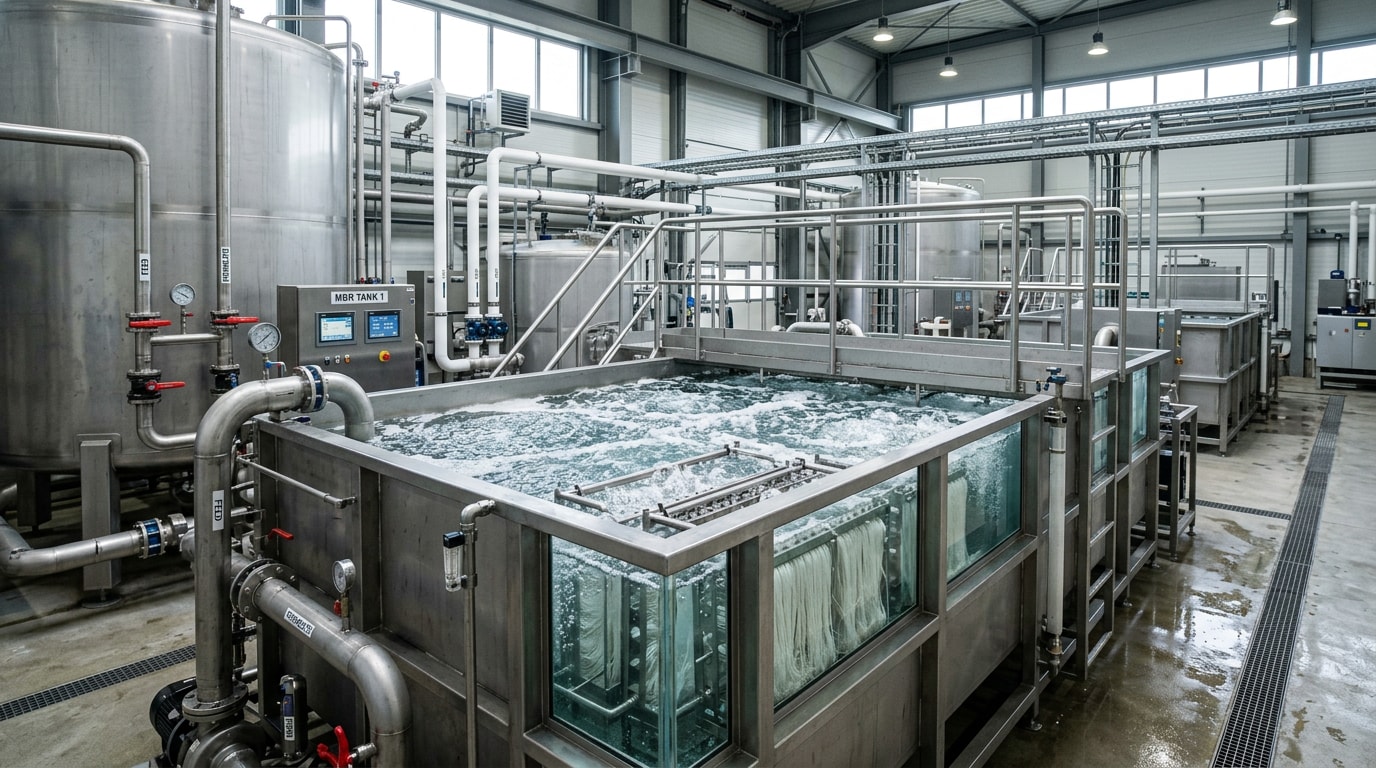
A membrane bioreactor (MBR) is a wastewater treatment technology that replaces the secondary clarifier found in conventional plants with a membrane filtration step. Instead of letting solids settle out by gravity, the system pumps treated water through micro- or ultrafiltration membranes, producing a consistently clear, high-quality effluent.
MBR systems combine a suspended growth biological reactor with solids removal via filtration, and the membrane filtration system effectively replaces the secondary clarifier and sand filters in a typical activated sludge plant, allowing a higher biomass concentration to be maintained so smaller bioreactors can be used. That's the whole value proposition in one sentence: better effluent, smaller footprint.
Pure Water Filtration works with commercial and industrial property owners across the region on exactly this kind of equipment, and you can see our full range of water treatment services for Southern California facilities.
MBR Water Treatment in Orange County: GWRS, Michelson, and What's Actually Local
Orange County is the reason a lot of people search for this topic in the first place. The Orange County Water District's Groundwater Replenishment System (GWRS) in Fountain Valley is the most-cited MBR example on the internet, but here's the nuance most articles skip: GWRS doesn't run a true membrane bioreactor at all.
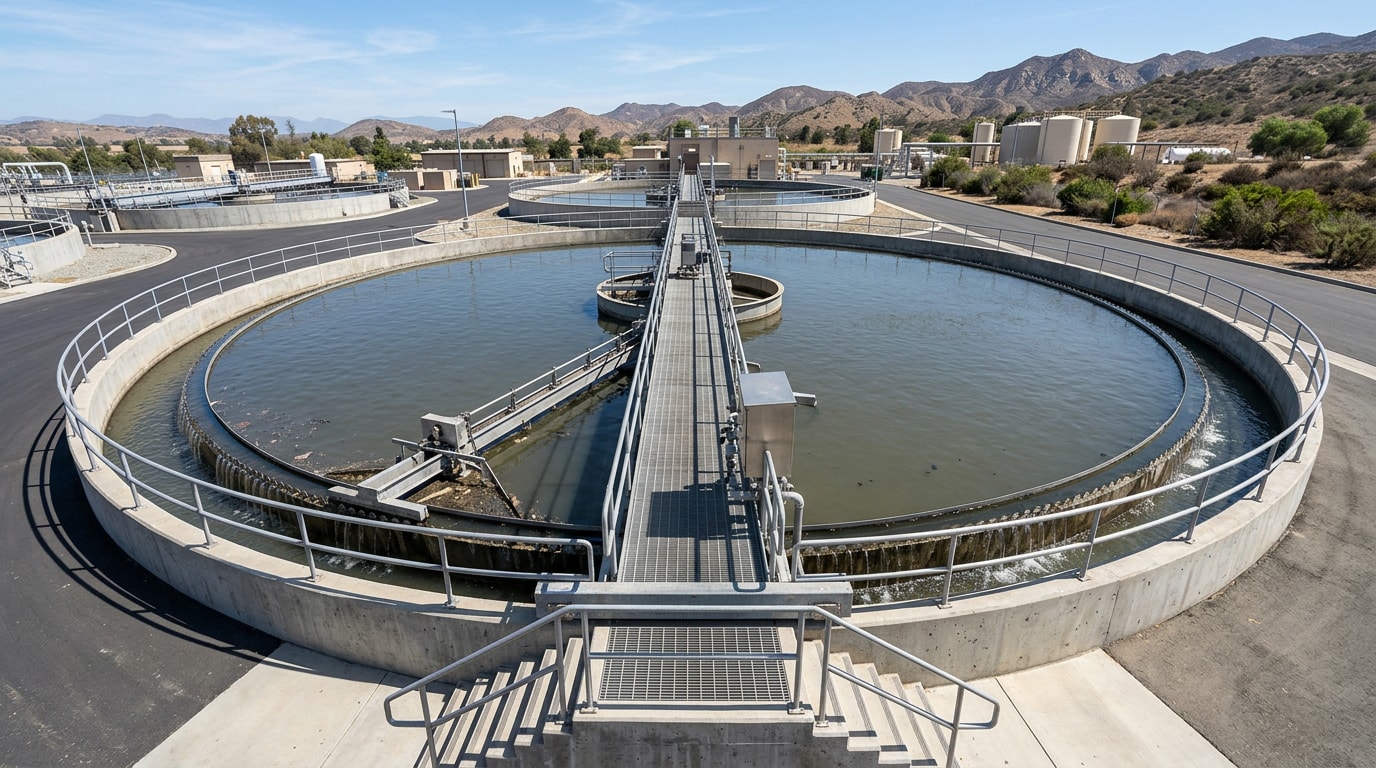
OC San's Plant 1 produces secondary-treated effluent through conventional primary and secondary wastewater treatment, including bar screening, grit removal, trickling filters, activated sludge, clarification, and disinfection before that water ever reaches OCWD. OC San supplies OCWD with that secondary treated wastewater to produce high-quality water as part of GWRS, which is then pumped to the groundwater basin. The microfiltration step at GWRS is a standalone tertiary treatment applied after a conventional activated sludge plant, not a membrane integrated directly into a bioreactor. Technically, that makes it MF-RO-UV, not MBR.
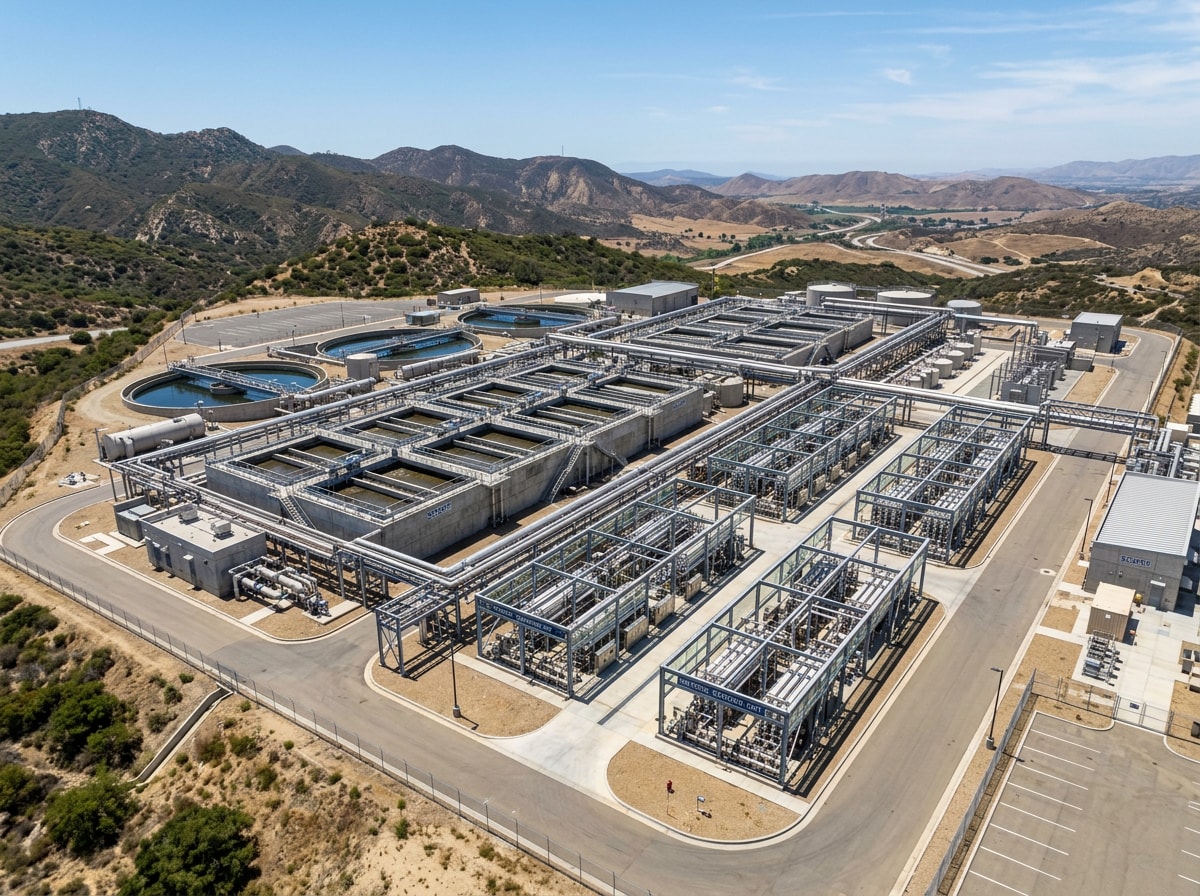
If you want a real, local example of a true membrane bioreactor, look to Irvine instead. The Michelson Water Recycling Plant Phase II expansion for Irvine Ranch Water District added a 12 MGD MBR system with UV disinfection, including new headworks structures, membrane bioreactor basins, and ultraviolet disinfection facilities that expand recycled water treatment capacity. That's an actual membrane bioreactor running in Orange County, right down the freeway from GWRS.
GWRS is still an extraordinary engineering achievement worth understanding. As of its 18th anniversary, the GWRS has officially surpassed more than 500 billion gallons of purified water produced, marking nearly two decades of partnership between OC San and the Orange County Water District.
The original facility was constructed in 2008 and supplied up to 70 million gallons per day, was designed for an ultimate treatment and conveyance of 130 MGD, and today produces 100 MGD on its way to full capacity. For facilities evaluating membrane-based options of their own, our commercial water treatment systems and industrial water treatment systems pages cover the configurations we install for Orange County properties. You can also get a free estimate if you're weighing options for your own site.
How an MBR System Works
An MBR system moves wastewater through three broad stages: preliminary treatment, biological treatment, and membrane separation. Because the membranes handle solids removal directly, there's no need for the secondary clarifier a conventional activated sludge plant depends on.
Preliminary Treatment & Screening
This stage removes grit, debris, and large solids before wastewater ever reaches the bioreactor.
Screening and pretreatment protect downstream equipment, especially the membranes, which can be damaged or fouled by sharp or stringy material that slips through. Skipping or under-sizing this step is one of the most common causes of early membrane wear.
Biological Treatment
Once screened, wastewater enters the aeration tank, where microorganisms break down organic matter, reducing biochemical oxygen demand (BOD) and supporting nitrification.
Because membranes keep biomass contained more tightly than a settling tank does, MBR systems can operate at a higher mixed liquor suspended solids (MLSS) concentration than conventional plants. A smaller tank can handle the same organic load, which is part of why MBR footprints run smaller overall.
Membrane Filtration
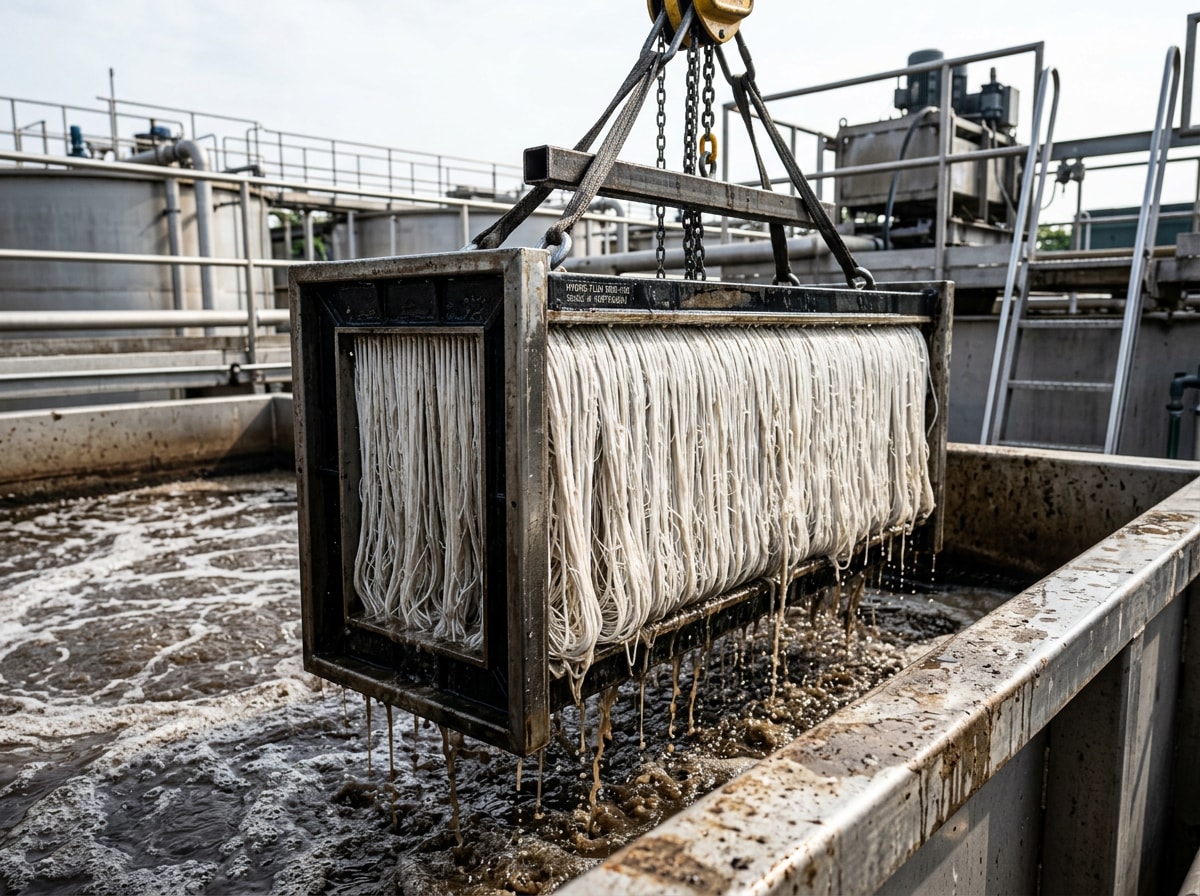
Membrane filtration physically separates clean water from the remaining biomass, pulling permeate through hollow-fiber or flat-sheet membranes fine enough to block bacteria and most solids. Some larger industrial setups use multi-tubular configurations instead, though hollow-fiber and flat-sheet designs dominate municipal applications.
Air scour, a steady stream of bubbles released near the membrane surface, helps dislodge solids before they build up and cause fouling (the gradual clogging that reduces membrane performance over time). A permeate pump then draws the finished water out for disinfection or discharge.
Side-Stream vs. Immersed MBR
MBR systems generally use one of two configurations, and the difference affects energy use, maintenance, and footprint.
| Configuration | Membrane Location | Energy Use | Maintenance Access | Best Fit |
|---|---|---|---|---|
| Side-stream (sMBR) | Outside the bioreactor | Higher (cross-flow pumping) | Easier; no tank draining needed | Smaller or industrial sites |
| Immersed (iMBR) | Submerged in the aeration tank | Lower (air scour instead of pumping) | More involved; requires draining or lifting cassettes | Large municipal plants |
Side-stream MBR tends to use more energy because of the cross-flow pumping required, but the external placement makes membrane inspection and replacement more straightforward since technicians don't need to drain or enter the tank. Immersed MBR has become the dominant configuration for larger municipal plants because air scour alone, rather than high-pressure pumping, keeps the membrane surface clear. For most large-scale Orange County municipal and water-reuse applications, immersed MBR is the default choice.
Benefits of MBR Water Treatment
MBR systems offer several advantages over conventional activated sludge plants:
- Outstanding effluent quality — membrane filtration consistently removes more solids and pathogens than gravity settling.
- Independent control of SRT and HRT — solids retention time and hydraulic retention time can be managed separately, giving operators more flexibility.
- Smaller footprint — higher MLSS concentrations mean smaller tanks for the same treatment capacity.
- Stronger nitrification — higher biomass retention supports more complete breakdown of nitrogen compounds.
- Steadier performance under variable flow — MBR plants tend to handle fluctuating influent loads more gracefully than conventional systems, which matters for sites with seasonal demand.
MBR vs. Conventional Activated Sludge
| Factor | Conventional Activated Sludge | MBR |
|---|---|---|
| Solids separation | Gravity settling in a clarifier | Membrane filtration |
| Footprint | Larger | Smaller |
| Effluent clarity | Good | Excellent |
| MLSS concentration | Lower | Higher |
| Capital cost | Lower upfront | Higher upfront |
| Operating complexity | Lower | Higher (membrane monitoring, fouling control) |
The core difference is what happens after biological treatment. Conventional activated sludge relies on a secondary clarifier to let solids settle out by gravity, while MBR uses membrane filtration instead, eliminating the clarifier entirely. Because membranes are more effective at removing solids, MBR can produce effluent with lower solids and nutrients concentrations than conventional activated sludge, though membrane costs and cleaning usually make MBR more expensive to operate.
Applications & Industries for MBR in Orange County
MBR technology shows up anywhere consistent effluent quality or a compact footprint matters:
- Municipal wastewater plants meeting strict discharge standards without expanding their physical footprint.
- Food and beverage processors, hotels, and hospitality operations treating effluent before discharge or reuse.
- Decentralized and remote developments without easy sewer access, using smaller MBR units as standalone package plants.
- Water reuse and groundwater recharge projects, where MBR-quality effluent serves as a clean starting point for advanced purification.
Property owners evaluating a membrane-based system for a commercial site in the area can start with water testing and contaminant detection to establish a baseline, then review our reverse osmosis systems for polishing steps that often pair with membrane filtration. Our project history shows the range of systems we've installed throughout Orange County.
MBR System Cost: What to Budget For
MBR costs vary widely depending on flow capacity, membrane material, and site-specific engineering, so treat any figure as a general planning range rather than a quote. Capital costs are typically driven by membrane area required, tank construction, and the automation package. Operating costs are shaped mainly by the energy needed for aeration and air scour, plus periodic membrane cleaning and eventual replacement.
Compared with conventional activated sludge plants, MBR systems often carry a higher upfront capital cost but can offset that over time through smaller land requirements, reduced sludge disposal volumes, and effluent quality good enough to support water reuse revenue or fee reductions. The EPA's Membrane Bioreactors Wastewater Management Fact Sheet is a solid public starting point for understanding design tradeoffs, though a site-specific engineering estimate is the only way to get numbers you can actually plan around. For ongoing budgeting, our water treatment system maintenance team can walk through realistic operating costs for your facility.
Maintenance & Cleaning of MBR Systems
Membrane fouling is the primary operational challenge in any MBR system, and routine maintenance exists almost entirely to manage it.
- Physical cleaning — air scour combined with periodic backwashing dislodges solids from the membrane surface before they accumulate.
- Chemical cleaning — when physical cleaning isn't enough, operators soak membranes in a mild cleaning solution to dissolve organic or mineral buildup.
- Clean-in-place (CIP) — automates chemical cleaning without removing membranes from the tank.
- Offline cleaning — a more intensive process typically scheduled a few times a year to restore performance that routine cleaning can't fully recover.
Skipping these steps shortens membrane life considerably, which is why most MBR maintenance programs are built around a fixed cleaning schedule rather than a reactive one.
Environmental Impact & Water Reuse in Southern California
MBR treatment reduces the pollution load released into receiving waters and generates less excess sludge than conventional plants, both of which lower the overall environmental footprint of a treatment facility. These qualities matter most in water-stressed regions like Southern California, where recycled water increasingly offsets demand on imported supplies.
California requires any recycling project to demonstrate compliance with Title 22 of the California Code of Regulations, which contains the Uniform Statewide Recycling Criteria addressing each type of recycled water use involving protection of public health. That framework, maintained by the California State Water Resources Control Board, sets the quality bar that every reuse project in the state has to clear, including the ones feeding Orange County's groundwater basin. You can read more about the scale of that effort on the Orange County Water District's GWRS page and the Orange County Sanitation District's milestone announcement.
FAQ
How Long Do MBR Membranes Last?
Most MBR membranes last 5 to 10 years under normal operating conditions, though actual lifespan depends heavily on pretreatment quality, membrane material, and how consistently cleaning schedules are followed. Poor pretreatment or neglected cleaning can shorten that range significantly.
Is MBR-Treated Water Safe to Reuse?
MBR effluent quality is high enough to support many reuse applications, including irrigation and industrial process water, directly after treatment. For indirect potable reuse, MBR-treated or membrane-filtered water typically goes through additional steps like reverse osmosis and UV disinfection before it's considered safe for that purpose, which is exactly the sequence GWRS follows.
What Are the Downsides of MBR Systems?
The main drawbacks are higher capital cost, higher energy demand for aeration and air scour, and the need for more careful operator monitoring of membrane condition compared to a conventional clarifier. Membrane fouling is the central operational risk, and replacement membranes are a recurring cost most conventional plants don't have.
Is Orange County's GWRS Technically an MBR Plant?
No, not in the strict engineering sense. GWRS applies standalone microfiltration as a tertiary step after OC San's conventional activated sludge treatment, rather than integrating membranes directly into a biological reactor. The Michelson Water Recycling Plant in Irvine, by contrast, runs an actual 12 MGD membrane bioreactor.
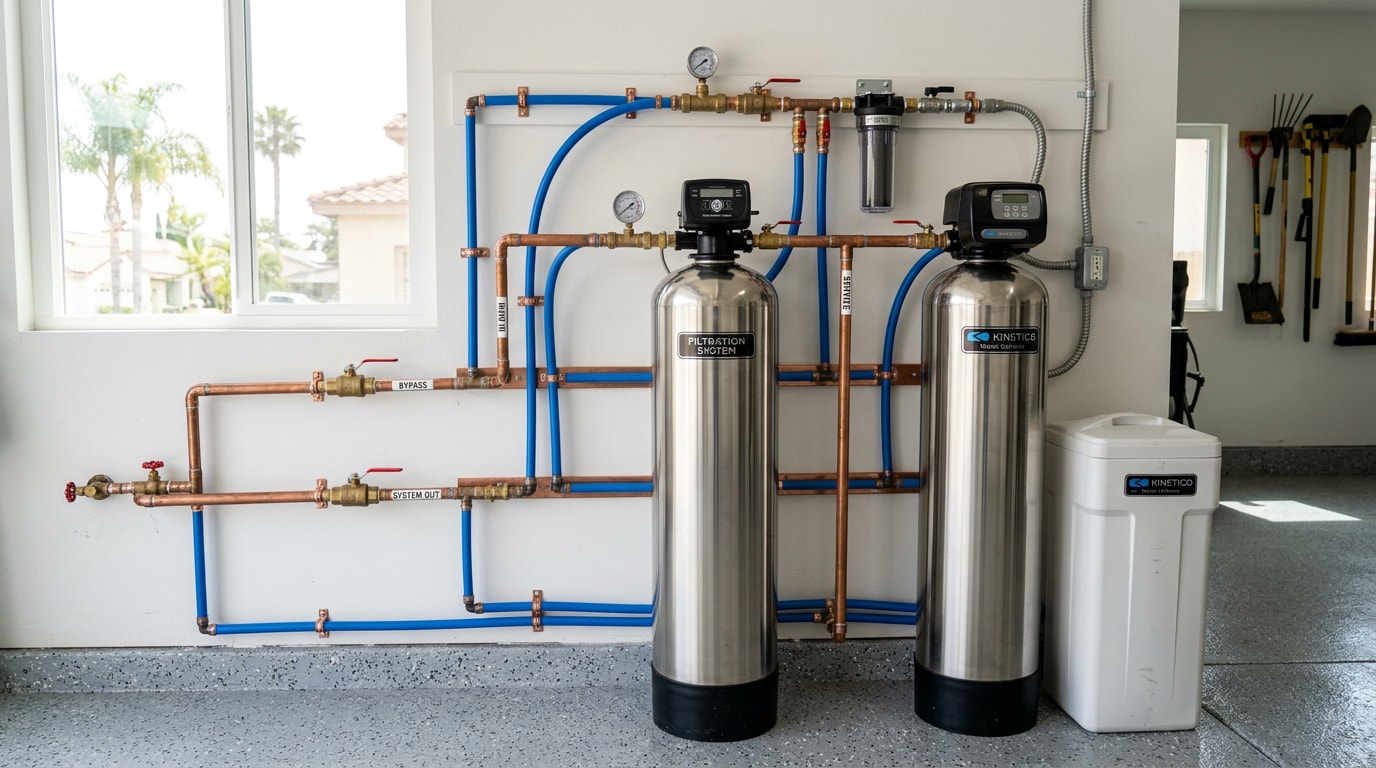
Can MBR Systems Be Used for Small or Residential Properties?
Yes. Compact, decentralized MBR units exist for small-scale and off-sewer applications, including remote properties and small developments that can't connect to municipal sewer lines. These systems work on the same principles as municipal plants, just at a much smaller scale.
What Size Flows Can an MBR System Handle?
MBR flow capacity is highly scalable, ranging from a few thousand gallons per day for small decentralized units to multiple million gallons per day for large municipal plants like Michelson's 12 MGD train. This flexibility is part of why the technology fits such a wide range of applications.