Water treatment consulting in Ventura County, CA starts with one question: what's actually in your water? Groundwater, Casitas surface water, and imported supplies blend differently depending on which city or water district serves your address, so the right fix for a home in Moorpark may be wrong for one in Oxnard. This guide breaks down what a real consultation covers, what it costs, and how to tell a qualified consultant from a salesperson with a quota.
How Hard Is Ventura County's Water, Really?
Hardness is the most common reason homeowners and facility managers in the county start looking for a consultant in the first place. Scale on fixtures, a water heater that fails early, and soap that won't lather are classic symptoms.
Hardness is measured in grains per gallon (GPG) or milligrams per liter (mg/L) of calcium carbonate. The widely used classification scale, adapted from the U.S. Geological Survey and the Water Quality Association, breaks down like this:
| Classification | mg/L (ppm) | Grains per Gallon (GPG) |
|---|---|---|
| Soft | 0–17 | 0–1 |
| Slightly hard | 17–60 | 1–3.5 |
| Moderately hard | 60–120 | 3.5–7 |
| Hard | 120–180 | 7–10.5 |
| Very hard | Over 180 | Over 10.5 |
Water hardness often is expressed as grains of hardness per gallon of water (gpg) or milligrams of hardness per liter of water (mg/L), adapted from the Water Quality Association's classification table. You can review the full breakdown in this University of Nebraska–Lincoln Extension guide to hard water.
Here's the part most local pages skip: hardness in Ventura County isn't one number. Official Consumer Confidence Reports published by Ventura County Waterworks Districts show real variation between systems. One district's annual water quality report lists total hardness in grains per gallon alongside magnesium content in parts per million , with readings in the 10 to 15 GPG range for that service area. A separate district's report shows a wider spread, closer to 7 to 18 GPG depending on the source blend feeding the system that year. You can check your own numbers against the publicly posted Waterworks District water quality report for your service area.
The takeaway: a countywide average is a starting point, not a sizing number. A proper consultation pulls your specific utility's current report or runs an on-site hardness test before recommending equipment. Our hardness testing service does exactly that, and it's the first step we recommend before anyone talks equipment.
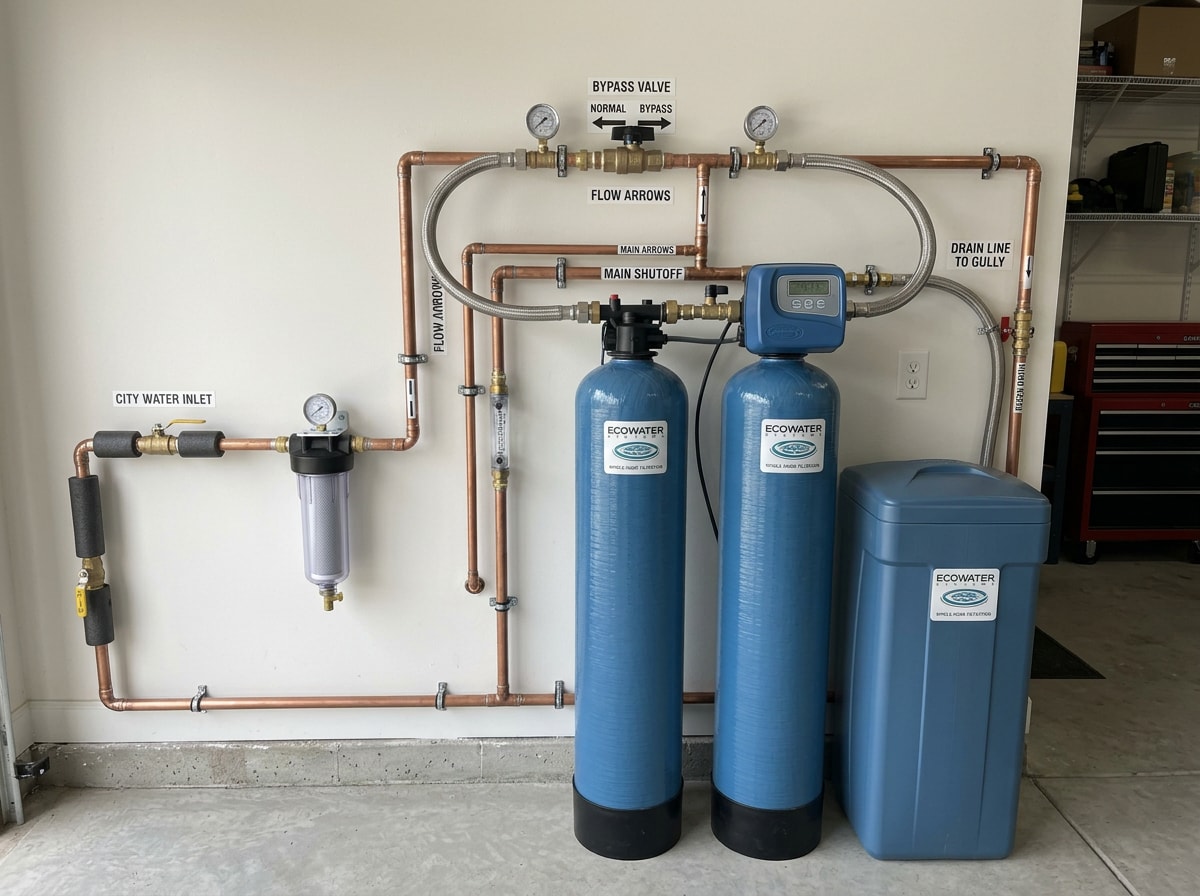
Residential Water Treatment Consulting: Softeners, RO, and Whole-House Filtration
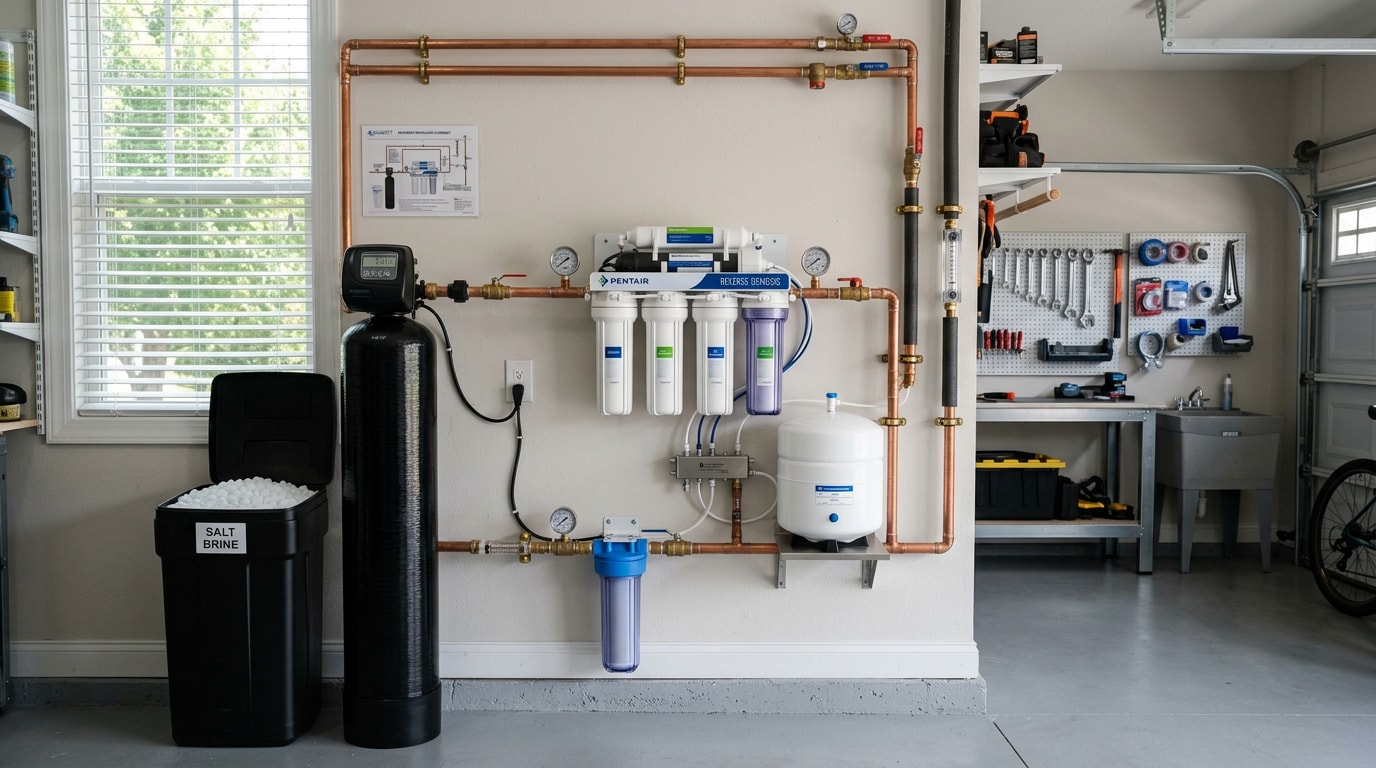
For homeowners, a consultation usually narrows down to three categories of equipment:
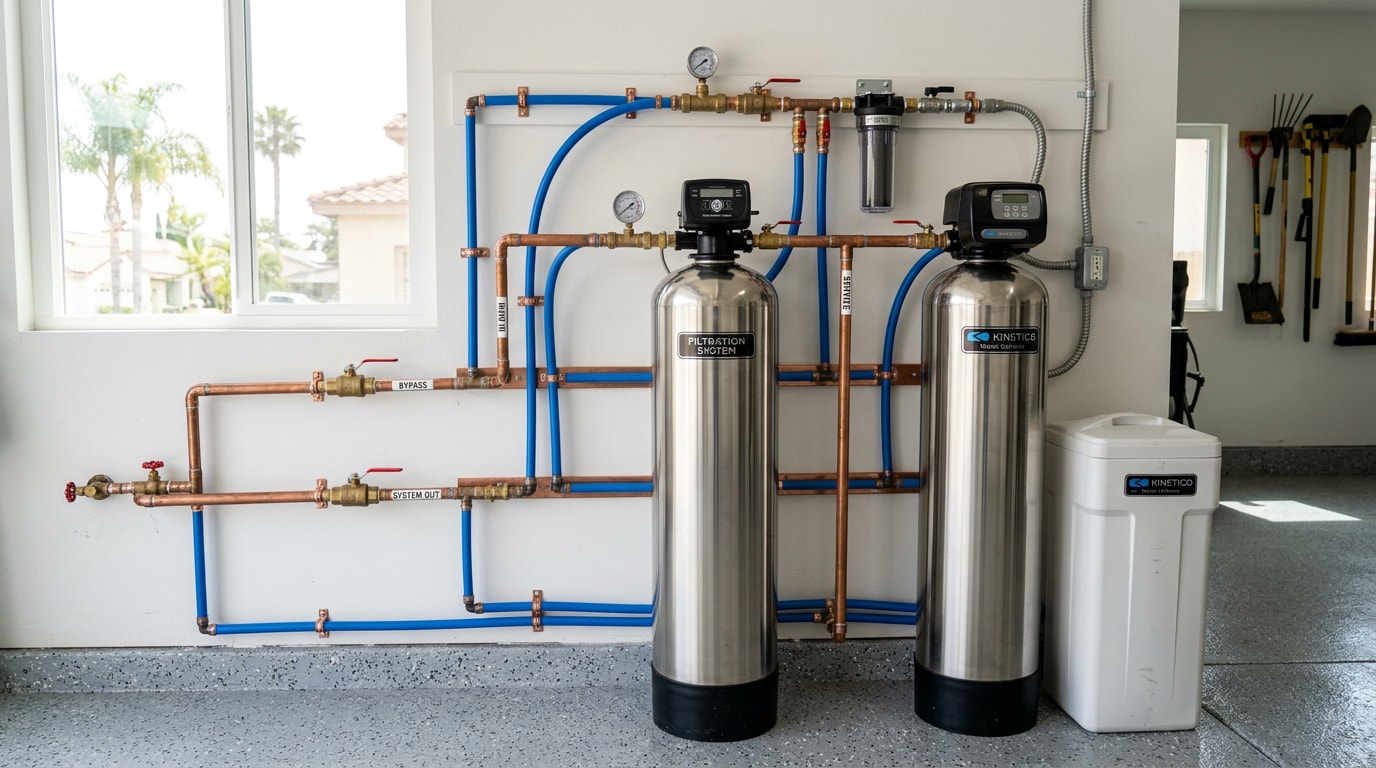
- Water softeners remove calcium and magnesium through ion exchange, solving scale and soap-scum problems directly.
- Reverse osmosis systems target drinking-water quality at the tap, pulling out dissolved solids, lead, and other contaminants softening alone won't touch.
- Whole-house filtration addresses broader issues like chlorine taste, sediment, or odor across every fixture in the home.
A consultant should test first and recommend second. If your water tests in the "hard" to "very hard" range from the table above, a dedicated water softening system is typically the baseline recommendation. Homes on private wells need an added layer of screening; our well water treatment and well water analysis pages cover what that looks like.
If drinking water taste or contaminant removal is the priority rather than scale, reverse osmosis systems or a full whole-house reverse osmosis installation solve a different problem than softening does, and a good consultation explains that distinction instead of upselling one system to fix both. For broader contaminant or sediment concerns, whole-house filtration systems fill the gap. Homeowners who want a sodium-free option can also ask about salt-free water treatment systems, though these condition rather than fully remove hardness minerals, which matters in very hard water zones.
For a deeper walkthrough of local filtration options by city, see our Ventura County water filter services guide.
Commercial and Industrial Water Treatment Consulting
Business clients, which is anything from a medical office to a food processing facility, need a different consulting approach than a single-family home. Equipment has to handle continuous demand, meet compliance requirements specific to the industry, and minimize downtime.
A commercial consultation typically covers:
- Water chemistry testing across multiple fixtures or intake points
- Capacity planning based on peak and average daily usage
- Equipment selection suited to continuous-duty cycles, not residential-grade components
- A maintenance schedule that prevents unplanned service calls
Our commercial water treatment systems page covers equipment options, and for higher-volume operations, industrial water treatment systems are built for sustained throughput. Once equipment is in place, ongoing water treatment system maintenance protects that investment, and when a system reaches end of life, water treatment system replacement planning avoids an emergency swap during peak operating hours.
Water Resource and Wastewater Project Consulting for Public and Private Clients
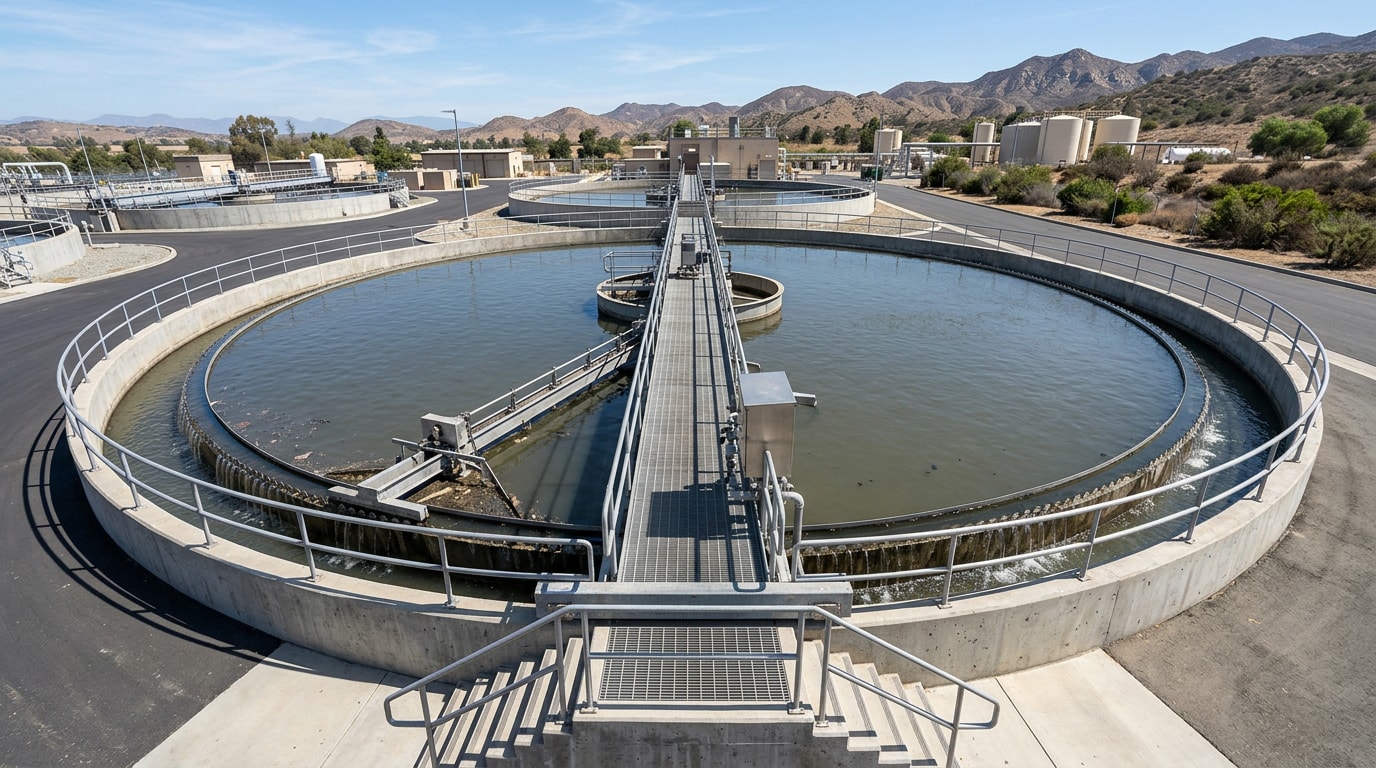
There's a second, larger meaning of "water treatment consulting" that applies in Ventura County: civil and environmental engineering work tied to permitting, treatment facility design, and water resource planning for public agencies, developers, and districts. This is a different service entirely from installing a softener in a kitchen closet.
Public-sector and large-scale private clients, including water companies, sanitation districts, and agribusiness operations, work with civil/environmental consultants on treatment facility design, pumping projects, and regulatory compliance tied to bodies like the California State Water Resources Control Board, which oversees drinking water quality standards and funding across the state. If your project involves a water main extension, a treatment facility upgrade, or compliance reporting for a district, that's a civil engineering scope, not a residential installation. Both fall under the same search term, but they solve very different problems. See examples of completed work on our projects page.
Comparing Treatment Options at a Glance
| System Type | Best For | Removes Hardness? | Typical Install Range |
|---|---|---|---|
| Ion-exchange softener | Whole-home scale control | Yes | $1,500–$5,000 |
| Salt-free conditioner | Mild-to-moderate hardness, sodium-sensitive households | Conditions, doesn't remove | $1,200–$3,500 |
| Reverse osmosis | Drinking water purity, dissolved solids | No (separate from hardness) | $800–$2,500 (point-of-use) |
| Whole-house filtration | Chlorine, sediment, odor | No | $1,000–$4,000 |
| Commercial/industrial systems | Continuous-duty business use | Varies by design | Quoted per project |
Pricing varies with hardness level, household size, and site access, so treat these as starting ranges rather than quotes. A certified consultation, not a generic online calculator, gives you an accurate number for your specific property.
How to Choose a Water Treatment Consultant in Ventura County
Before hiring anyone, run through this checklist:
- Are they licensed, bonded, and insured in California? Ask for the license number and verify it.
- Is the initial water test free? A legitimate consultant doesn't charge to walk through your options.
- Do they test before they quote? If a number comes before a hardness reading, that's a red flag.
- Have they handled a property like yours? Residential softening and commercial-scale design require different expertise; ask directly.
- Can they explain the difference between conditioning and removal? If they can't explain why salt-free systems don't technically remove hardness, keep looking.
We go through this same process on every site visit. Request a free estimate and we'll walk your property, pull your district's current water quality numbers, and give you options in writing before any equipment is proposed.
What to Expect From a Professional Water Test
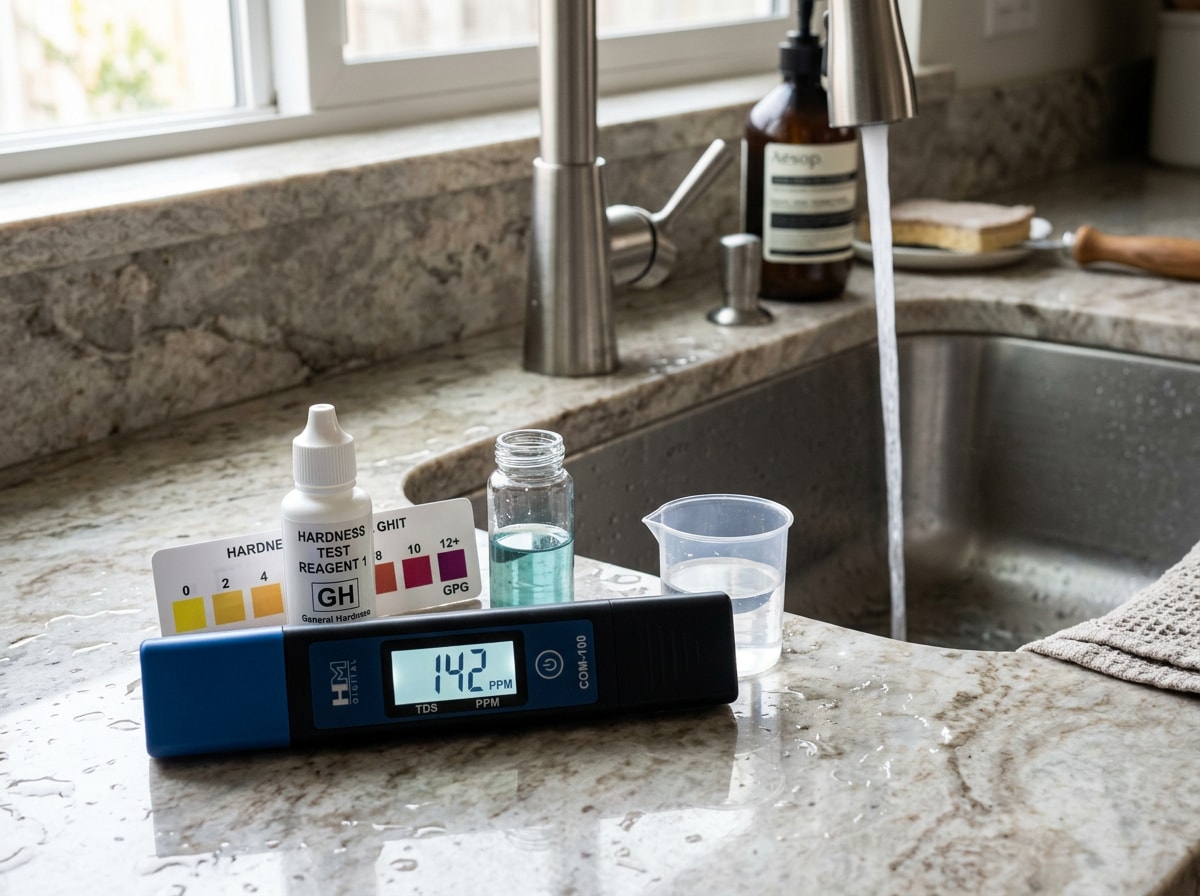
A real consultation leans on lab-grade or field-calibrated testing, not a test strip from a hardware store. Depending on your water source, this can include:
- Water quality testing for a full chemical snapshot
- Contaminant detection for metals, nitrates, and disinfection byproducts
- Water safety assessment for overall potability
- Hardness-specific testing for sizing a softener correctly
Explore our full water testing service category and water purification company or water treatment supplier service lines for the complete equipment list. If you're outside Ventura County, we also serve Los Angeles County, Santa Barbara County, and the broader region; see our Ventura County service area page for coverage details.
Hard water, well water with unknown chemistry, and aging equipment all have one thing in common: they get more expensive to ignore. If any of this sounds like your property, start with pure-water-filtration.com and book a test instead of guessing.
FAQ
What does a water treatment consultant actually do?
A consultant tests your water first, usually for hardness, TDS, and relevant contaminants, then recommends equipment sized to your actual results rather than a one-size-fits-all system. For businesses or public agencies, the scope can extend to compliance, permitting, and treatment facility design.
Is Ventura County's water hard or soft?
Most of Ventura County falls in the hard-to-very-hard range on the standard GPG scale, though the exact number depends on which water district or well serves your address. Checking your district's current Consumer Confidence Report gives you an exact figure instead of a countywide guess.
How much does a water softener cost in Ventura County?
Installed softeners generally run $1,500 to $5,000, depending on hardness level, household size, and equipment grade. A free on-site consultation gives you an accurate number instead of a rough estimate.
Do I need a water softener if I'm on well water?
Likely yes, but a well water analysis should come first. Wells can carry hardness, iron, nitrates, or bacteria that a standard softener alone won't address, so testing determines whether you need a softener, a different filtration stage, or both.
What's the difference between residential and commercial water treatment consulting?
Residential consulting focuses on single-property systems sized for household use. Commercial and industrial consulting involves higher-capacity equipment, continuous-duty design, and sometimes regulatory compliance work for multi-site operations or public water systems.
Does a salt-free system actually remove hardness?
No. Salt-free conditioners alter how hardness minerals behave so they're less likely to form scale, but they don't remove calcium and magnesium from the water the way an ion-exchange softener does. In very hard water areas, that distinction matters for which system actually solves your problem.