Water treatment technologies in Los Angeles County, CA exist for one reason: the county's water supply is hard, chemically treated, and blended from multiple sources that change by neighborhood and season. If you've noticed cloudy glasses, a chlorine smell at the tap, or soap that won't lather, your water is likely the cause. This guide breaks down filtration, reverse osmosis, and softening so you can match the right system to your property before you buy.
What Is a Water Purification System?
A water purification system is any equipment that removes unwanted substances from your home's water supply before it reaches your faucets, appliances, or drinking glass.
Most residential setups fall into three families.
- Filtration removes sediment, chlorine, and organic particles.
- Reverse osmosis removes dissolved contaminants at the molecular level.
- Softening removes hardness minerals through ion exchange.
Many homes in the Los Angeles County service area end up using more than one, since each technology solves a different problem with water quality.
How Hard Is Los Angeles County Water, Really?
Los Angeles County water is a blend of imported supply from the State Water Project and Colorado River, plus local groundwater, and that mix is a big reason hardness varies so much from one service area to the next. LADWP, the county's largest utility, puts it directly: water hardness varies greatly throughout the City of Los Angeles because there are several different sources of water. Depending on which plant and source mix supplies your block, your tap water can land anywhere from moderately hard to very hard.
That variability matters because hard water isn't just a nuisance. Mineral buildup shortens the life of water heaters, clogs showerheads, and leaves spots on dishes and glassware. Most LA County utilities also add chlorine or chloramine for disinfection, which can affect taste and odor even at safe levels.
Your exact numbers live in your utility's annual Consumer Confidence Report. Check the water hardness testing page for how we pull and interpret that data for your address, or review LADWP's own water quality FAQ for a plain-language breakdown of how hardness is measured.
Types of Water Treatment Technologies in Los Angeles County
Once you know what's in your water, the next step is matching it to the right category of equipment. Three types cover most residential needs: whole-house filtration for chlorine and sediment, reverse osmosis for drinking-water-grade purity, and water softeners for hardness.
Whole-House Water Filtration Systems
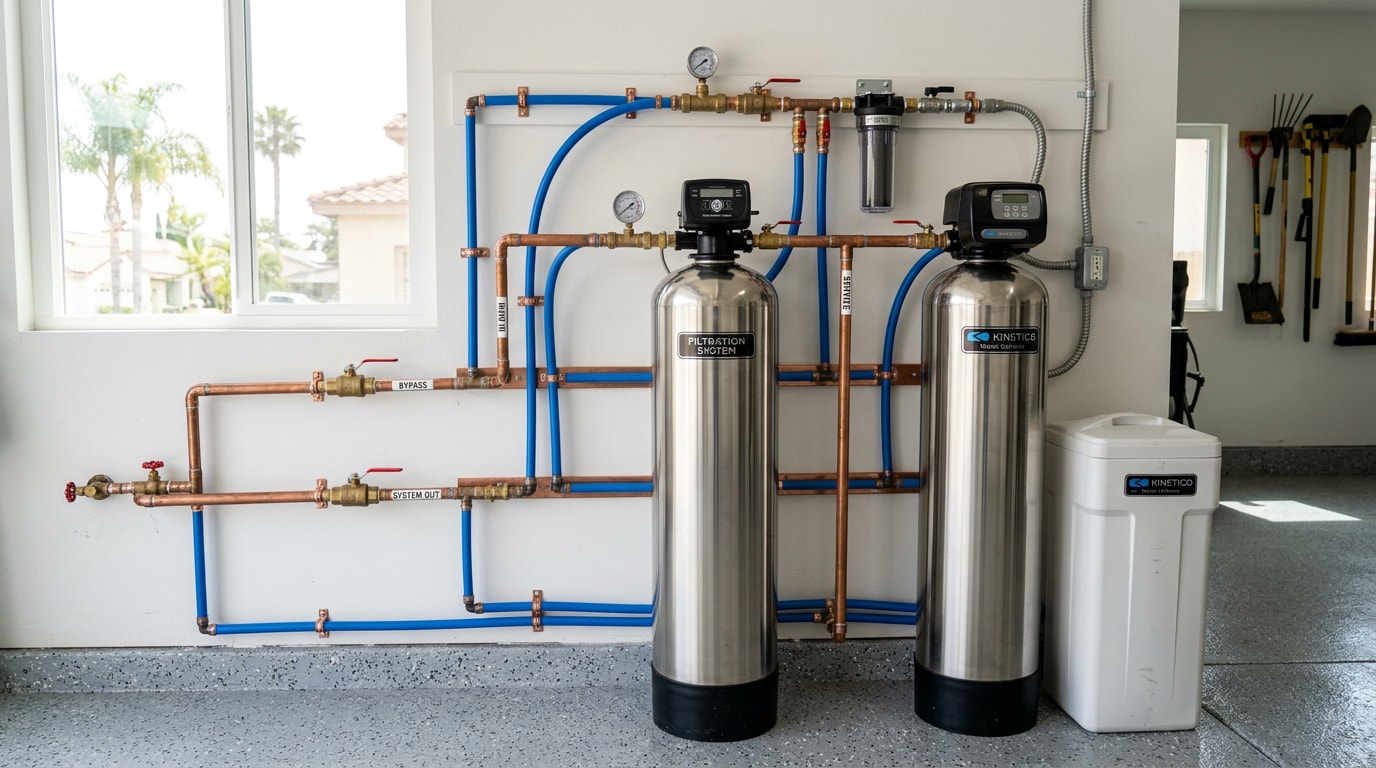
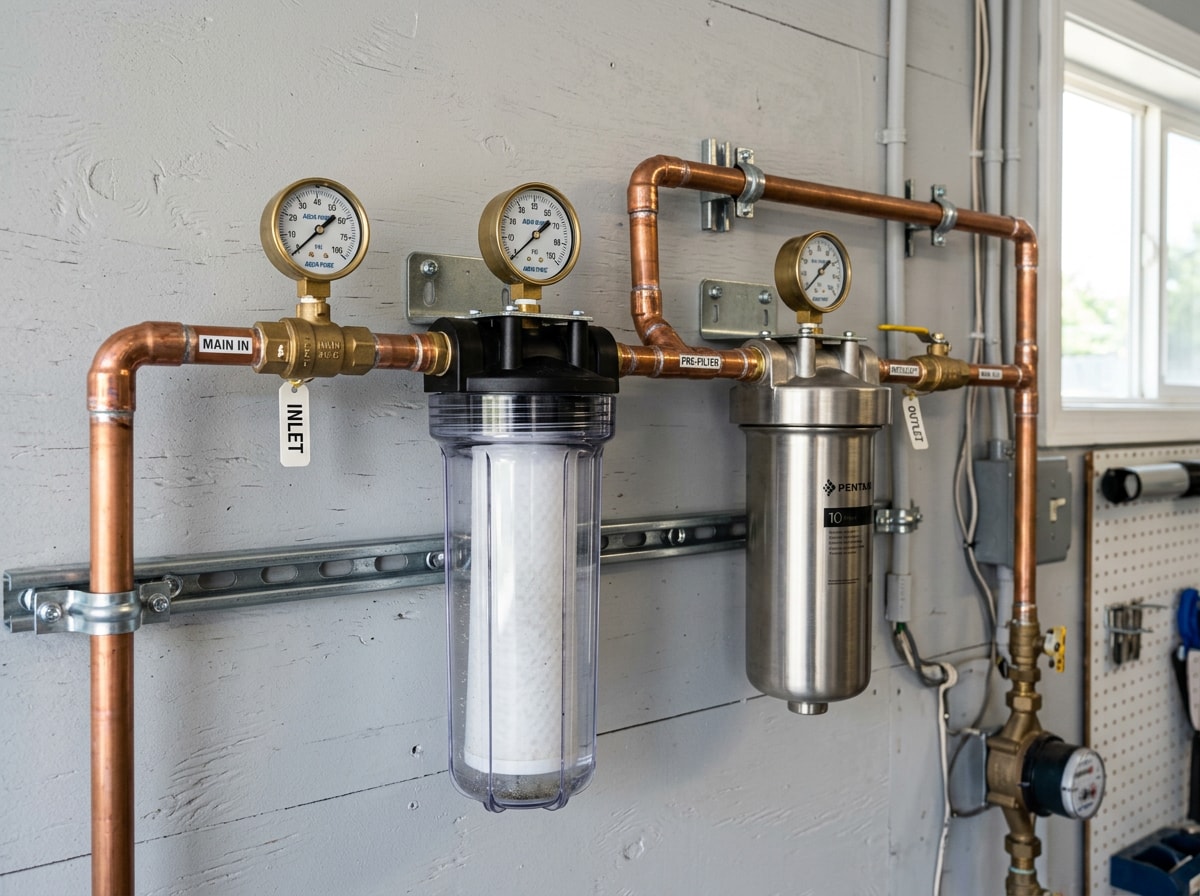
A whole-house water filtration system is a point-of-entry system installed at the main water line, treating every tap, shower, and appliance before water reaches any fixture. It typically removes sediment, chlorine, and taste-and-odor compounds, without targeting dissolved minerals like calcium and magnesium.
This matters in LA County because much of the housing stock predates modern plumbing codes, and aging pipes can introduce rust and sediment on top of whatever the utility already adds. A whole-house filter catches both at the source, which also protects downstream fixtures like water heaters and softeners from sediment damage.
Reverse Osmosis (RO) Systems
Reverse osmosis systems force water through a semi-permeable membrane under pressure, catching contaminants far smaller than standard filters can, including heavy metals, nitrates, and fluoride. Most residential reverse osmosis systems install under the kitchen sink and serve a dedicated faucet, though whole-house RO exists for properties facing heavier groundwater contamination.
Because RO strips beneficial minerals along with contaminants, many systems add a remineralization stage afterward to improve taste. NSF International, the standards body behind drinking-water certification, notes that NSF/ANSI 58 covers reverse osmosis systems that use reverse pressure to force water through a semi-permeable membrane , which is the benchmark to check before buying. For LA County homes partly reliant on groundwater, RO is often the most thorough option for drinking and cooking water specifically, usually paired with, not a replacement for, whole-house filtration.
Water Softeners
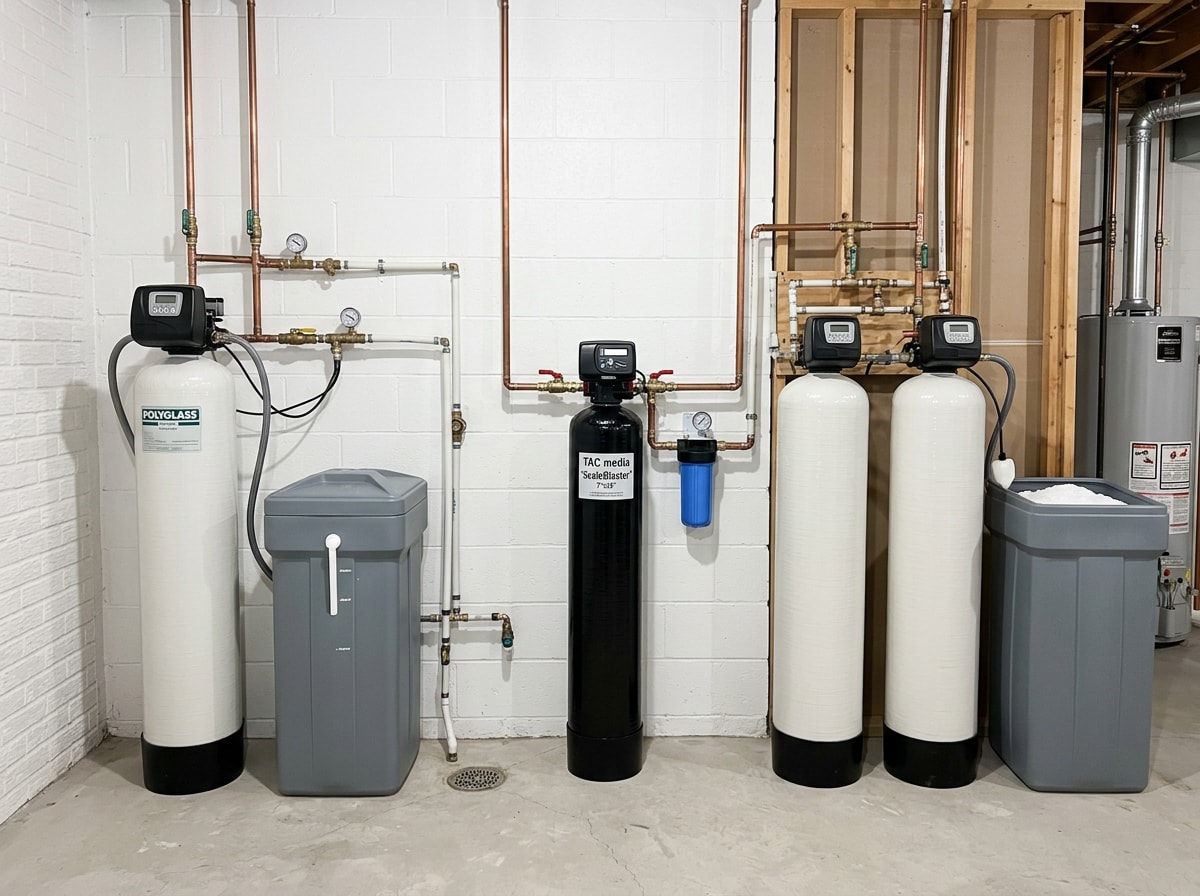
A water softener uses ion exchange to swap hardness minerals, calcium and magnesium, for sodium or potassium ions. This is the core technology behind addressing hard water across LA County.
Here's what happens during a regeneration cycle. A university extension guide to residential water treatment describes the process plainly: a physical and chemical process filters the water through an exchange media known as resin or zeolite, typically a synthetic or natural, sand-like material coated with positively charged sodium ions. As the calcium and magnesium dissolve into positively charged ions, an ion exchange environment is created, and the resin releases its sodium ions and readily trades them for the calcium and magnesium ions. Over time, the resin is not an inexhaustible exchange site, and when all the sodium exchange sites are replaced with hardness minerals, the resin is spent and the softener needs to run a regeneration cycle.
Salt and water use during regeneration depends on household size, daily use, and how hard your local water tests. Demand-initiated softeners regenerate only when needed, which generally cuts both salt and water use compared to older timer-based units. If you'd rather skip sodium entirely, browse salt-free water treatment systems built around crystallization instead of ion exchange.
Comparing Water Softener System Types for LA County
Not every softening technology works the same way. Salt-based softeners, salt-free conditioners, and dual-tank systems handle hardness differently, with real tradeoffs in maintenance, water feel, and ongoing cost.
| Feature | Salt-Based Softener | Salt-Free Conditioner | Dual-Tank Softener |
|---|---|---|---|
| How it works | Ion exchange removes hardness minerals | Crystallizes minerals so they don't stick to surfaces | Two resin tanks alternate, so softened water is always available |
| Water feel | Noticeably softer, slight sodium increase | Water feel largely unchanged | Same as single-tank softener |
| Maintenance | Regular salt refills, periodic resin cleaning | Low maintenance, no salt needed | Salt refills, slightly more complex plumbing |
| Best for | Moderate to severe hardness | Households avoiding added sodium | Larger households with high demand |
| Relative cost | Moderate upfront and ongoing salt cost | Moderate upfront, low ongoing cost | Higher upfront cost |
For most LA County homes with genuinely hard water, a salt-based softener still delivers the most noticeable results, while salt-free conditioners suit people who want scale protection without altering water chemistry.
How LA County's Own Water Agencies Use These Same Technologies
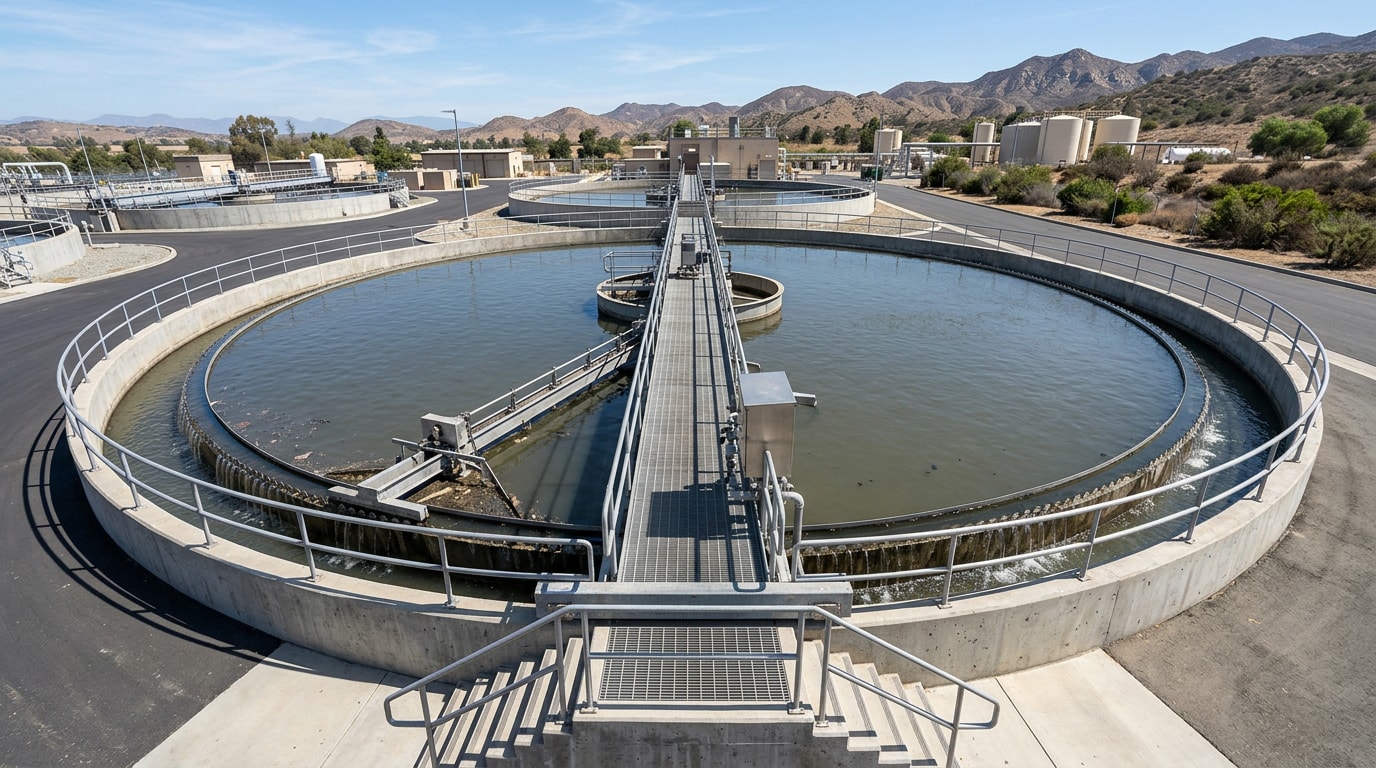
Here's something most buyer's guides skip: the same core technologies sold for home use, membrane filtration, reverse osmosis, and advanced oxidation, are already running at full municipal scale in LA County. The Hyperion Advanced Water Purification Facility, built as a proof of concept for the Pure Water LA program, treats wastewater using the same building blocks found in household systems. According to the LA Sanitation and Environment recycled water program, modern technologies such as Membrane Bioreactors (MBR) remove nitrogen, microbial solids, and organic matter, followed by advanced purification technologies like Reverse Osmosis (RO) and Ultraviolet Advanced Oxidation (UV/AOP). If you want a deeper look at how membrane bioreactor treatment actually works at scale, our MBR water treatment breakdown covers the local examples and costs in detail. The practical takeaway for homeowners: the technologies behind your under-sink RO system aren't unproven novelties, they're the same processes the county trusts to recycle water for millions of residents.
Are Water Treatment Systems Worth It in Los Angeles County?
For most LA County properties, yes. The upfront cost typically pays off through cleaner drinking water, longer appliance life, and less reliance on bottled water. Softened, filtered water reduces scale buildup inside water heaters, dishwashers, and washing machines, extending their working life and preventing mineral-coated heating elements from driving up energy bills.
There's also a quality-of-life angle. Better-tasting tap water, softer skin and hair, and not hauling cases of bottled water home all add up. The tradeoff is upfront equipment cost and some ongoing maintenance, so the calculation depends on how hard your local water actually is and how many fixtures you want protected.
How to Choose the Right Water Treatment System for Your Property
Start with a water test. Knowing your exact hardness level, chlorine or chloramine levels, and any trace metals tells you which technology actually solves your problem instead of guessing.
A few factors shape the decision:
- Get real numbers. A water quality test or contaminant detection screening gives you data for your address rather than county averages. Homes on private wells should start with a well water analysis instead.
- Factor in household size and usage. A family of five uses far more water than a couple, which affects tank size and regeneration frequency for a softener.
- Consider your property type. Condos and apartments often restrict point-of-entry systems or have limited space for equipment, while single-family homes have more installation flexibility.
- Clarify your main complaint. If scale and soap scum are the issue, softening solves it. If taste, odor, or drinking water purity is the priority, filtration or RO is the better starting point. Many households end up needing both.
Ready to get specific numbers for your property? Get a free estimate and we'll walk through testing results and system options together.
Installation, Permitting & Maintenance
Most water treatment equipment ties into your home's main water line, typically where it enters the house or garage. Professional installation is strongly recommended for whole-house systems and softeners, since improper bypass valve setup or backflow prevention can create code violations or warranty issues.
Before installing, check with your local jurisdiction on permitting requirements. Some LA County municipalities require permits for point-of-entry systems tied into the main line, particularly where softener regeneration discharge connects to a drain.
Ongoing upkeep is manageable but not zero. Softeners need periodic salt refills, filtration cartridges typically need replacement every few months to a year depending on usage, and RO membranes generally last a couple of years before replacement. When comparing products, look for equipment certified to recognized standards. Voluntary national standards and NSF protocols establish minimum requirements for the safety and performance of water treatment filters, purifiers, and reverse osmosis systems , which is the clearest way to verify a manufacturer's contaminant-reduction claims. Once a system is in, routine water treatment system maintenance keeps performance from drifting, and when equipment finally wears out, system replacement is usually simpler than a first-time install since the plumbing connections already exist.
Combining Technologies: Why Layered Systems Work Best in LA County
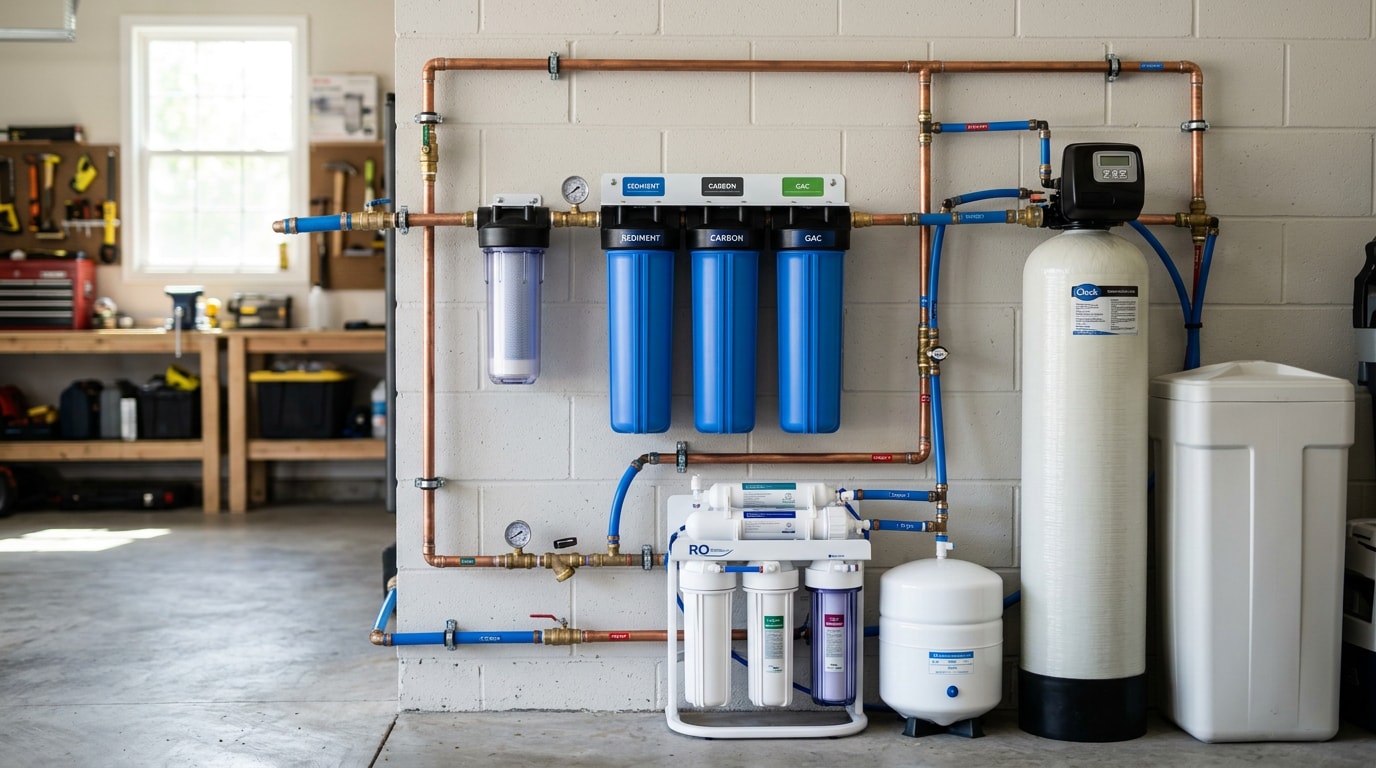
Pairing a water softener with whole-house filtration, then reserving reverse osmosis for the kitchen tap, is the most common setup among LA County homeowners, and for good reason. Each technology targets a different issue: the softener handles hardness, the whole-house filter handles chlorine and sediment across the property, and RO delivers the highest purity specifically where you drink and cook.
Relying on one technology alone usually means solving only part of the problem. A softener won't remove chlorine taste; a filter alone won't stop scale buildup. For larger properties or homes that want purified water at every tap rather than just the kitchen sink, a whole-house reverse osmosis installation extends that same purity property-wide. Businesses and multi-unit properties have different volume and compliance needs entirely, which is where commercial water treatment systems come in. Browse our full water purification company services or visit the homepage to see how these systems fit together for your property.
If your property runs on a private well rather than municipal supply, note that filtration priorities shift. Homeowners dealing with well-specific sediment and mineral issues elsewhere in Southern California have different micron and media needs, as covered in our guide on choosing the right micron filter for well water. LA County's rural and foothill areas with private wells can also start with well water treatment sized to their specific source.
FAQ
Do I Need a Whole-House Water Filtration System If I Already Have a Water Softener?
Yes, in most cases. A softener removes hardness minerals through ion exchange, but it doesn't address chlorine, chloramine, or sediment. Whole-house filtration handles those separately, so the two systems do different jobs rather than overlapping.
What Is the Difference Between a Water Filtration System and Reverse Osmosis?
Whole-home filtration treats water at the main line for the entire property, while reverse osmosis is typically a point-of-use system installed under the sink for drinking and cooking water, removing a wider range of dissolved contaminants at that single tap.
Is Chloramine in Los Angeles County Water Something I Should Filter Out?
Many LA County utilities use chloramine instead of chlorine. Chloramines are most commonly formed when ammonia is added to chlorine to treat drinking water and they provide longer-lasting disinfection as the water moves through pipes to consumers. Standard carbon filters don't fully remove it. Catalytic carbon filtration or reverse osmosis handles chloramine more effectively; see the EPA's chloramines overview for the regulatory background.
If My Home Is Older, What Should I Prioritize for Water Filtration?
Older homes with aging or lead-containing pipes should prioritize testing first, since corrosion byproducts can enter water after it leaves the main line. A water safety assessment and a certified filtration system rated for lead and heavy metal reduction is usually the right next step.
Is Los Angeles County Tap Water Safe to Drink?
Generally yes, municipal water in LA County meets federal and state drinking water standards. "Safe" and "ideal for your appliances and skin" are different things, though; hard water and chlorine byproducts are legal but still worth treating at the tap.
How Much Does a Water Treatment System Cost in Los Angeles County?
Costs vary widely by technology, household size, and whether you need point-of-use or whole-house coverage. A basic under-sink RO system costs far less than a whole-house softener plus filtration combo. The only way to get an accurate number for your property is a water test and an on-site look at your plumbing, which is why we start every project with a free estimate.
Which Water Treatment Technology Is Best for Most LA County Homes?
There isn't one universal answer, since source water varies block by block. For most households dealing with both hardness and chlorine taste, a combination of a softener, whole-house filtration, and under-sink RO covers the widest range of issues without over-engineering the solution. If you're also researching softener options outside LA County, our Kern County water softener buyer's guide breaks down similar decision factors for harder, groundwater-heavy supplies.